
How Energy Efficient Hot Melt Adhesives Can Help You Hit Climate Goals
Hot melt adhesives are a critical component used in various industries for efficient bonding. As energy conservation becomes increasingly important and prices rise, more people are looking for smarter ways to keep their energy costs down.
To help understand the relationship between the glue application temperature and energy use, Alphabond conducted tests to measure the energy usage of a Nordson hot melt adhesive tank at varying operating temperatures.
The Testing
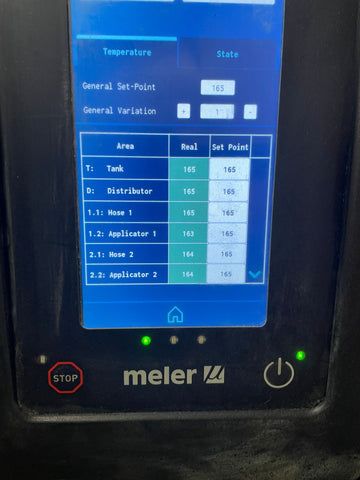
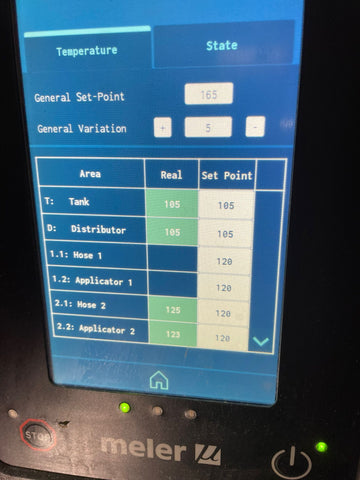
Alphabond's research aimed to investigate the relationship between operating temperature and energy consumption in hot melt adhesive tanks. Our tech team examined the energy usage per hour at each degree of temperature, from 98 to 180 degrees Celsius. The objective was to see the extent of the energy demand at varying temperatures.
The Results
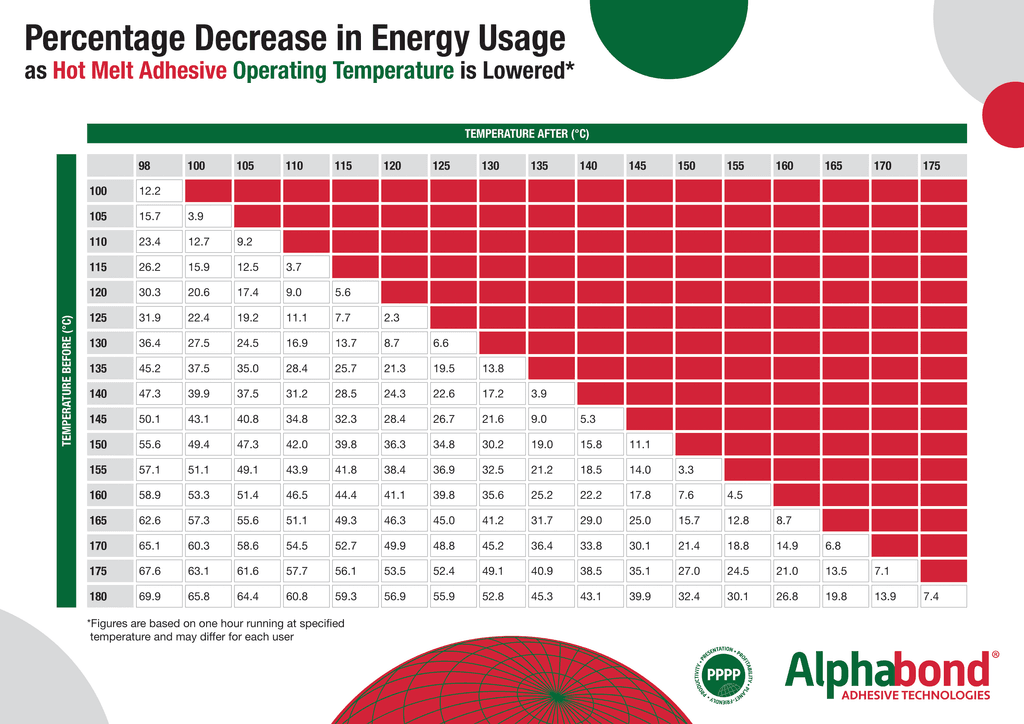
Alphabond's findings unveil the real savings that can be made if you use a lower application temperature glue. If you go from say 160°C to 98°C, this demonstrates your energy use going from over 0.734kWh to 0.301kWh — a 58.9% reduction!
During continuous operation, the data indicates that when the hot melt adhesive tank is filled with generation 6 or 7 hot melt glues (that operate at 98°C), it consumes considerably less energy (up to almost 70%) compared to when older generations of adhesives (generation 1, 2, or 3) that operate around 160–180°C are used.
Implications and Benefits
Alphabond's research findings have profound implications for people looking to reduce energy consumption and hit CO₂ reduction goals, as well as reduce operational costs by using newer generations of adhesives at lower temperatures.
The added bonus is when you run the adhesive at lower temperatures, you will also see less charring or degradation.
By upgrading to newer generations of hot melt adhesives (generation 6 or 7) and operating them at lower temperatures, industries can achieve substantial energy savings. These energy-efficient practices translate into significant cost reductions and contribute to reduced CO₂ footprint.
Conclusion
Alphabond's comprehensive testing highlights the energy savings available by utilising newer generations of adhesives at lower temperatures. Key takeaways:
- Up to almost 70% reduction in energy use (based on going from 180°C to 98°C)
- Reduction in CO₂ output as a result
- Reduced charring and degradation
- Even going from 120°C down to 98°C gives reduction of over 30% energy usage
Need Expert Help?
Discover if upgrading to a generation 6 or 7 adhesive is right for your factory.
Book a Discovery Session