
Alphabond Field Report
Uneven Glue Beads Are Not Fine
A bigger glue bead on one flap than the other looks like nothing. It's not nothing. It's usually the first sign of a nozzle starting to block, and by the time someone notices, you've been running like that for weeks.
That's exactly what we found on a recent visit to a pet food packer's cartoning line, and it turned into a trial that ended with almost a quarter less adhesive on every case.
- Field Report
- Pet Food Manufacturing
- Cartoning
- Senzani
- Nordson ProBlue
- Char & Blocked Nozzles
- Consumption Saving
- PerfectaMax
The bead that gives it away
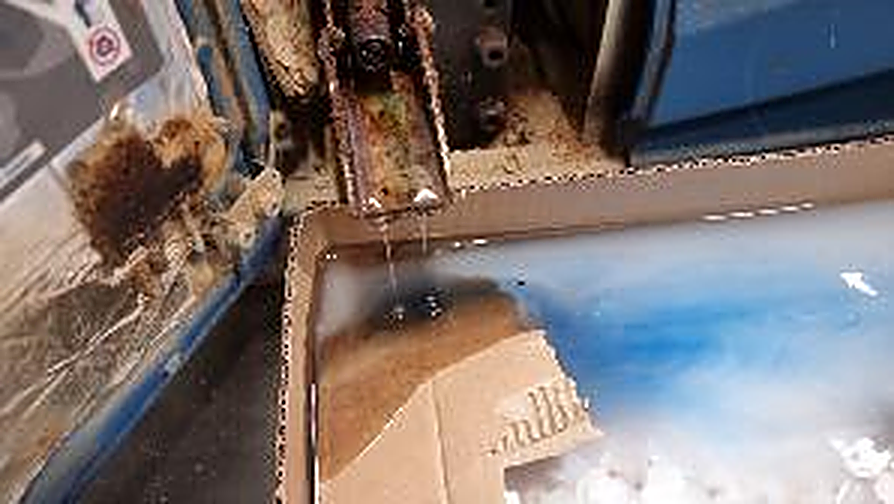
The line packs cartons on a Senzani cartoner, glued top and bottom by a Nordson tank with two separate heads. When we checked it, the top flap had a small, neat bead. The bottom flap had a noticeably bigger one.
That's not a design choice. When one head is laying down more adhesive than the other, it's almost always because something is restricting flow on the smaller side, most commonly a partial blockage in the hose or the nozzle itself. The gun compensates by running longer or the operator turns the pressure up, and the bead grows to cover the gap.
The immediate fix for a blocked nozzle is more heat and more pressure. That's also the expensive fix, because it burns more adhesive and eventually chars what's left in the system, making the blockage worse.
What we tried instead
Rather than clean around the problem, we changed the adhesive. We drained the tank, ran a colour drop through so we could see exactly when the new grade arrived, and switched the line onto Perfecta Max 24, a high tack grade built to run well at lower temperatures.
The incumbent had been running at 160°C in the tank, 155°C in the hoses and 162°C at the heads. Perfecta Max 24 ran at 130°C, 135°C and 140°C, roughly 25 to 30 degrees cooler across the board.
Once the new grade was through the system and temperatures had settled, fibre tear was excellent on both flaps, meaning the cardboard gave way before the bond did. Even bond. No more favouring one side.
The number that mattered
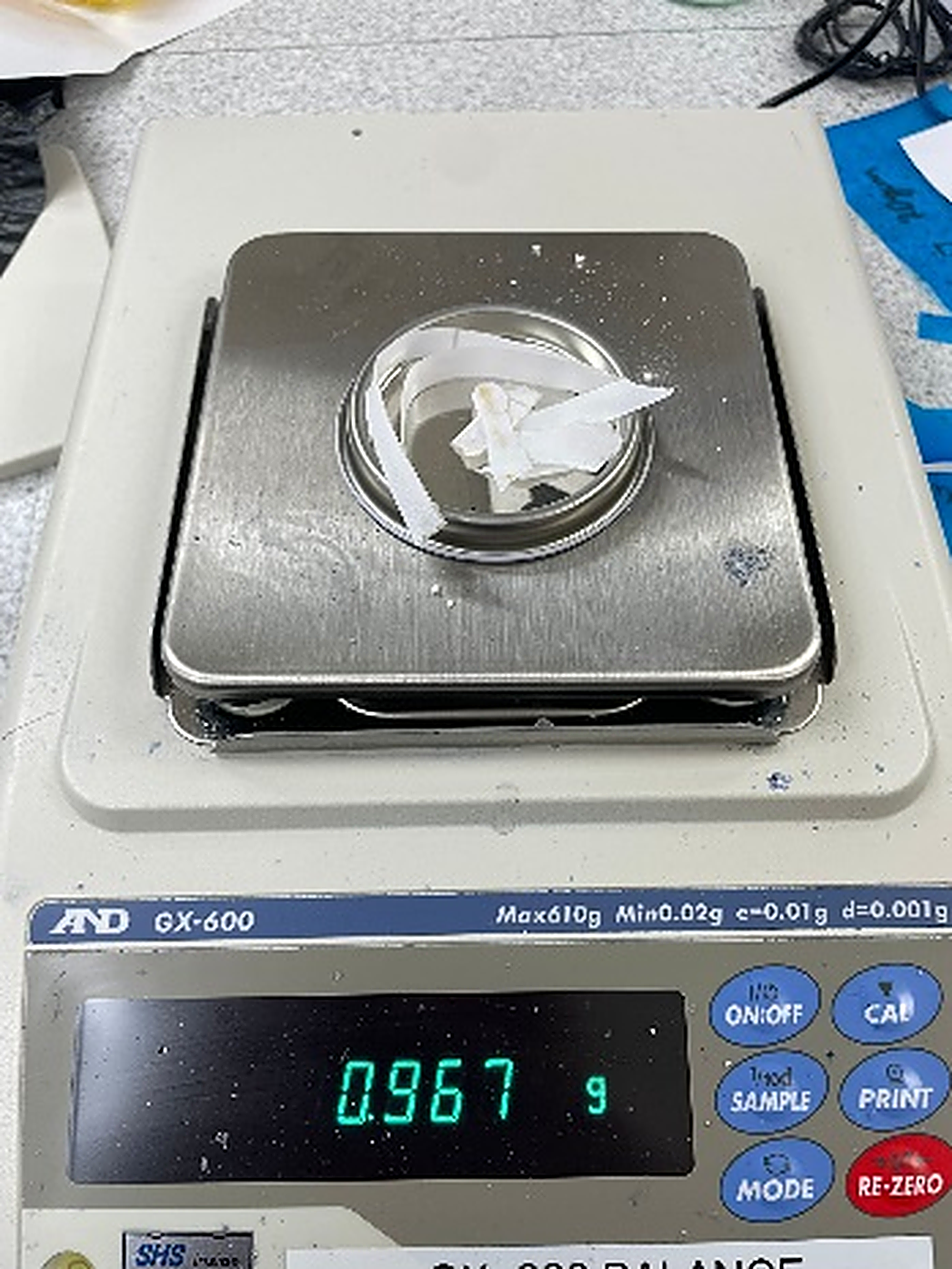
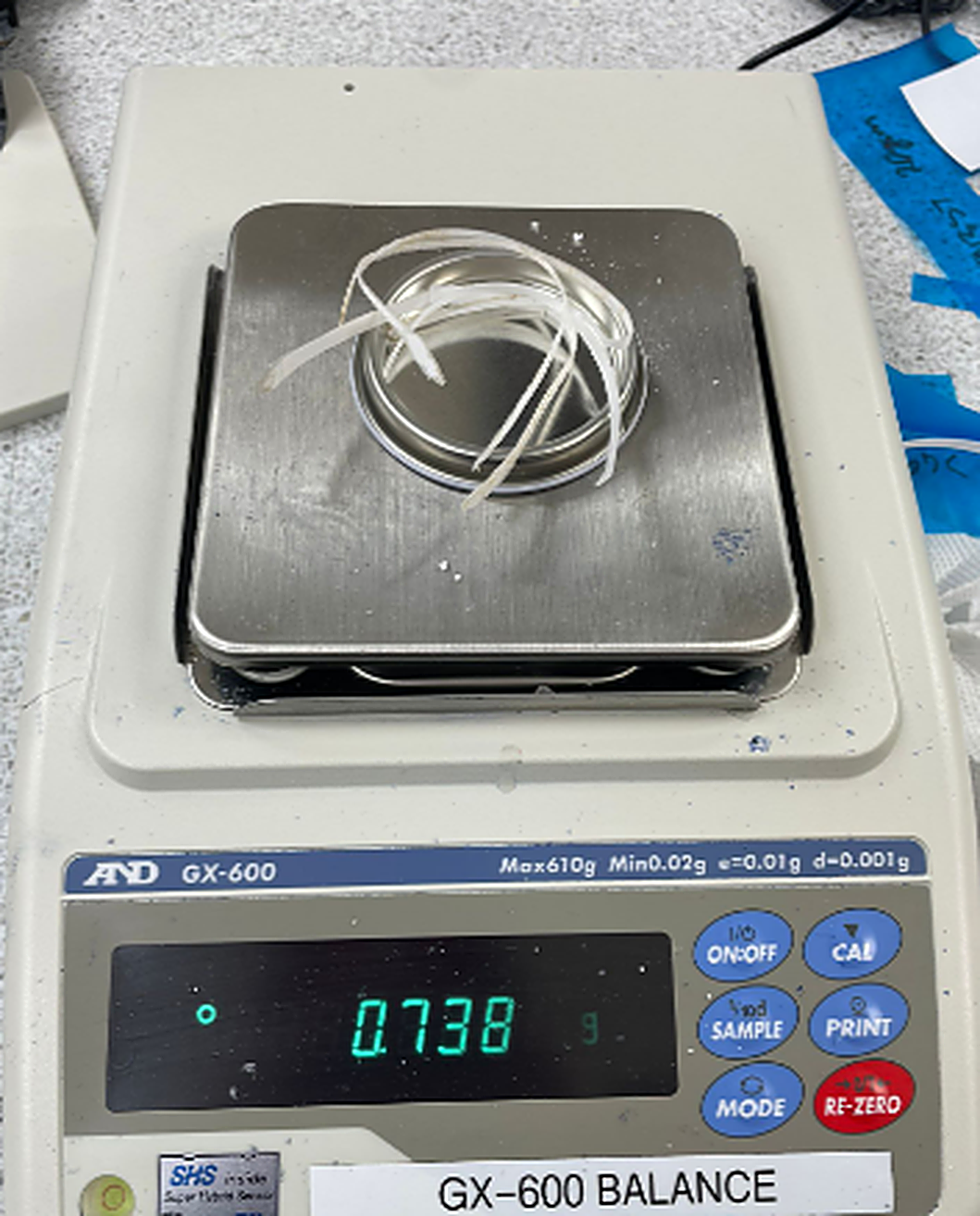
We weighed the adhesive on a carton with the incumbent grade and again with Perfecta Max 24. The incumbent came out at 0.967 grams. Perfecta Max 24 came out at 0.738 grams.
That's a 23.7% reduction in adhesive, on the same cartons, on the same line, in the same visit. Running cooler also means less energy spent heating the tank and less risk of char building up in the system that caused the uneven bead in the first place.
One visit, not the final word
This was a single trial, not an extended run, and the honest next step is to validate it over a longer period before switching permanently. That's exactly what we've recommended. A pallet run over a few weeks will confirm the saving holds up and give a clearer picture of nozzle condition over time.
Got a bead that's bigger on one side?
If your line has started running hotter than it used to, or one side of a bond looks different to the other, that's worth a look before it becomes a full blockage. We'll come and check it, weigh the difference, and show you the numbers on your own line.
Small print: Figures from a genuine Alphabond trial carried out in July 2026. Customer details withheld at our discretion.
Want the same numbers for your line?
One day on your line, with your product and your team watching. We bring the kit, do the maths and leave you the report either way.
Book a free trial on your line