
Alphabond Field Report
The Paper Tore Before the Glue Did
A book bindery dropped its spine glue tank 30 to 45 degrees to validate a new grade, and the bond still outlasted the paper.
Most people assume spine glue has to run hot to bond properly. This trial is a good reminder that "has to" and "always has" are not the same thing.
- Field Report
- Print & Publishing
- Perfect Binding
- Kolbus
- Energy Saving
Spine glue is doing a structural job
Of all the hot melt jobs on a factory floor, spine gluing is one of the least forgiving. The adhesive on the spine of a perfect bound book is the only thing holding several hundred loose sheets together, and it has to survive being milled, notched, clamped, coated, nipped, trimmed, boxed, shipped, and then flexed open and shut by a reader for years afterwards. It has to be stiff enough to hold the block square and flexible enough to open without cracking. There is no stitching to fall back on and no mechanical fixing. It is glue or nothing.
That is why binderies tend to run their spine glue hot and leave it alone. Hot glue wets the paper fibres, flows into the milled spine and grabs. Turn the temperature down and the received wisdom says you lose penetration, you lose page pull, and you start getting books that shed pages. So the dial gets set high once and nobody touches it again.
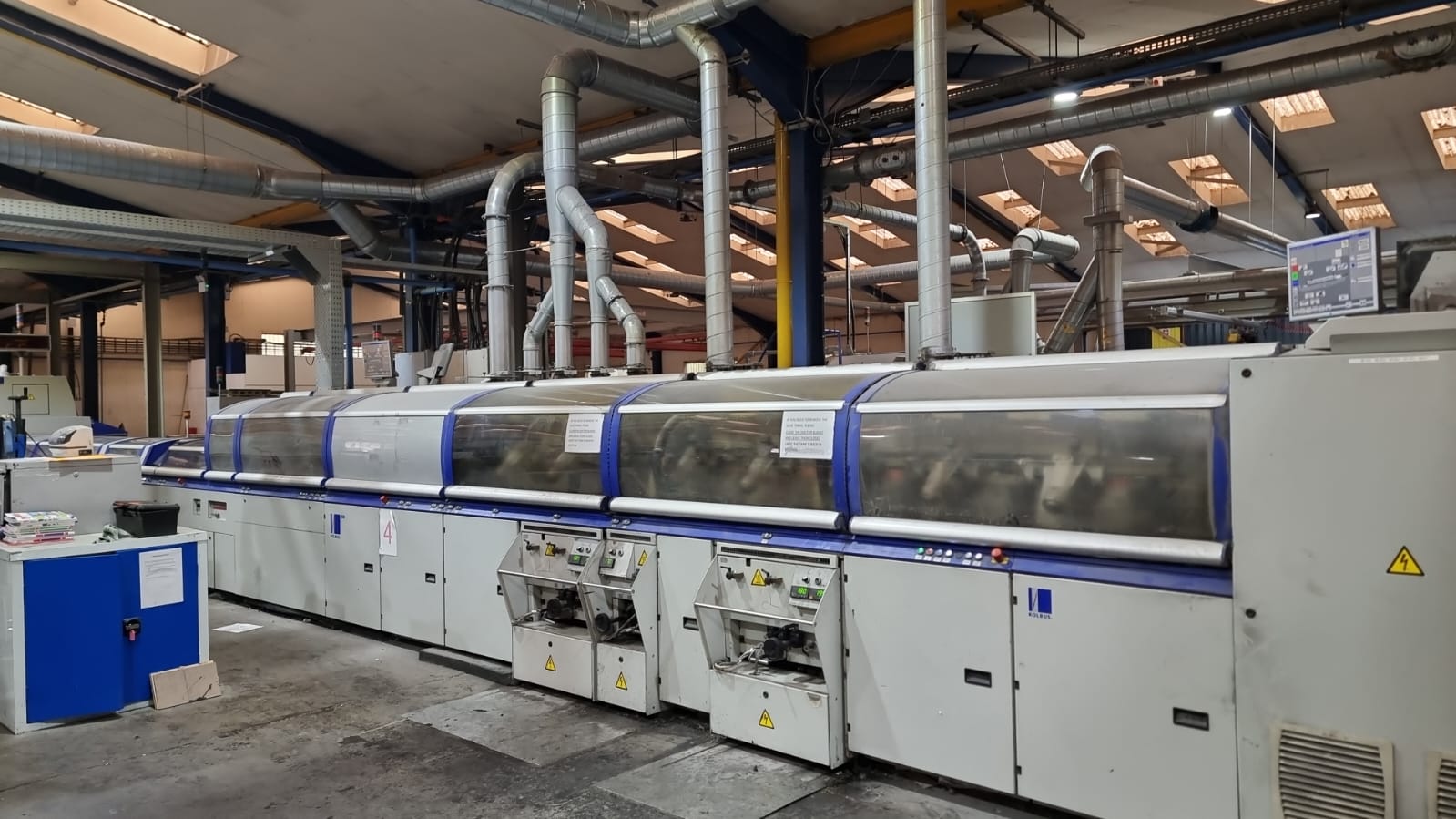
The problem nobody had actually tested
A book and magazine bindery had already run a successful trial with our FastLock 30079 spine grade back in February. This visit was about proving it properly, on a live production run, before committing to it across every job.
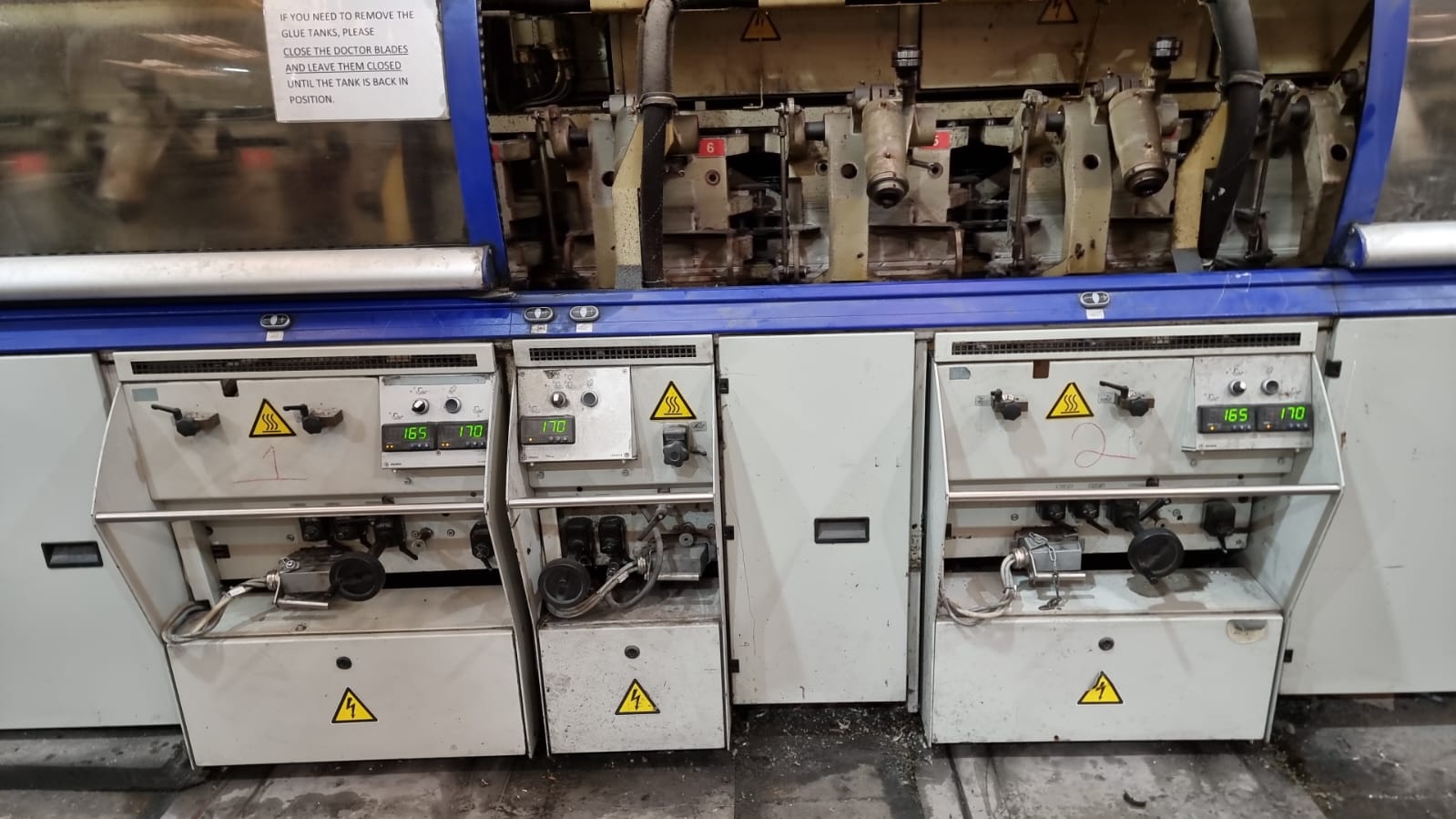
The incumbent spine adhesive had been running at 195°C in the tank and 210°C at the rollers for as long as anyone could remember. That was not a decision anybody on shift had made. It was inherited. Nobody had recently asked whether it needed to be there.
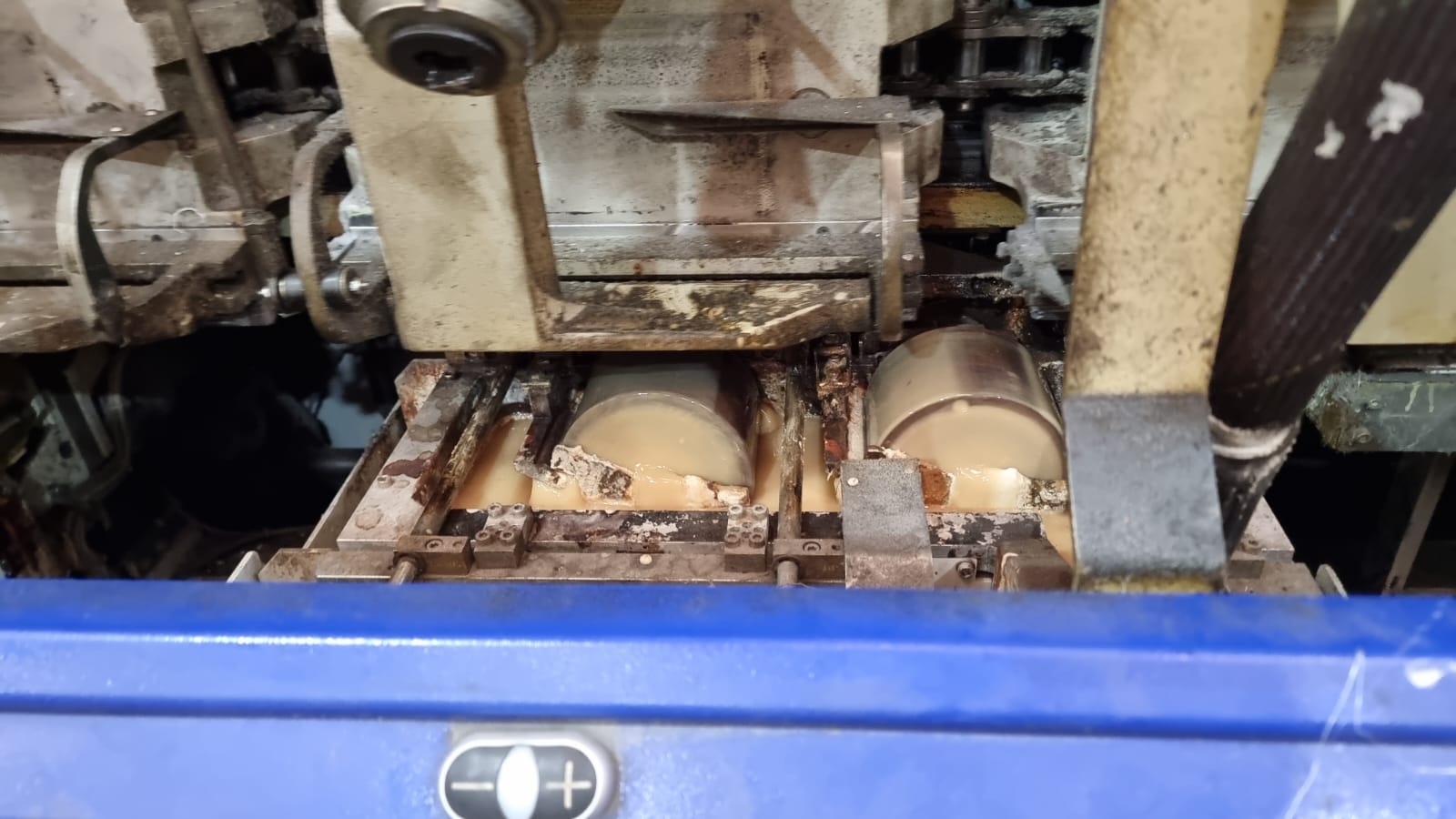
Turning the dial down, twice
FastLock 30079 went in and ran first at 180°C and 195°C, a straightforward like-for-like swap. The books bonded well, spines closed with no gaps. Then we pushed it further, down to 165°C and 170°C, a drop of 30 to 45 degrees from where the incumbent had been sitting.
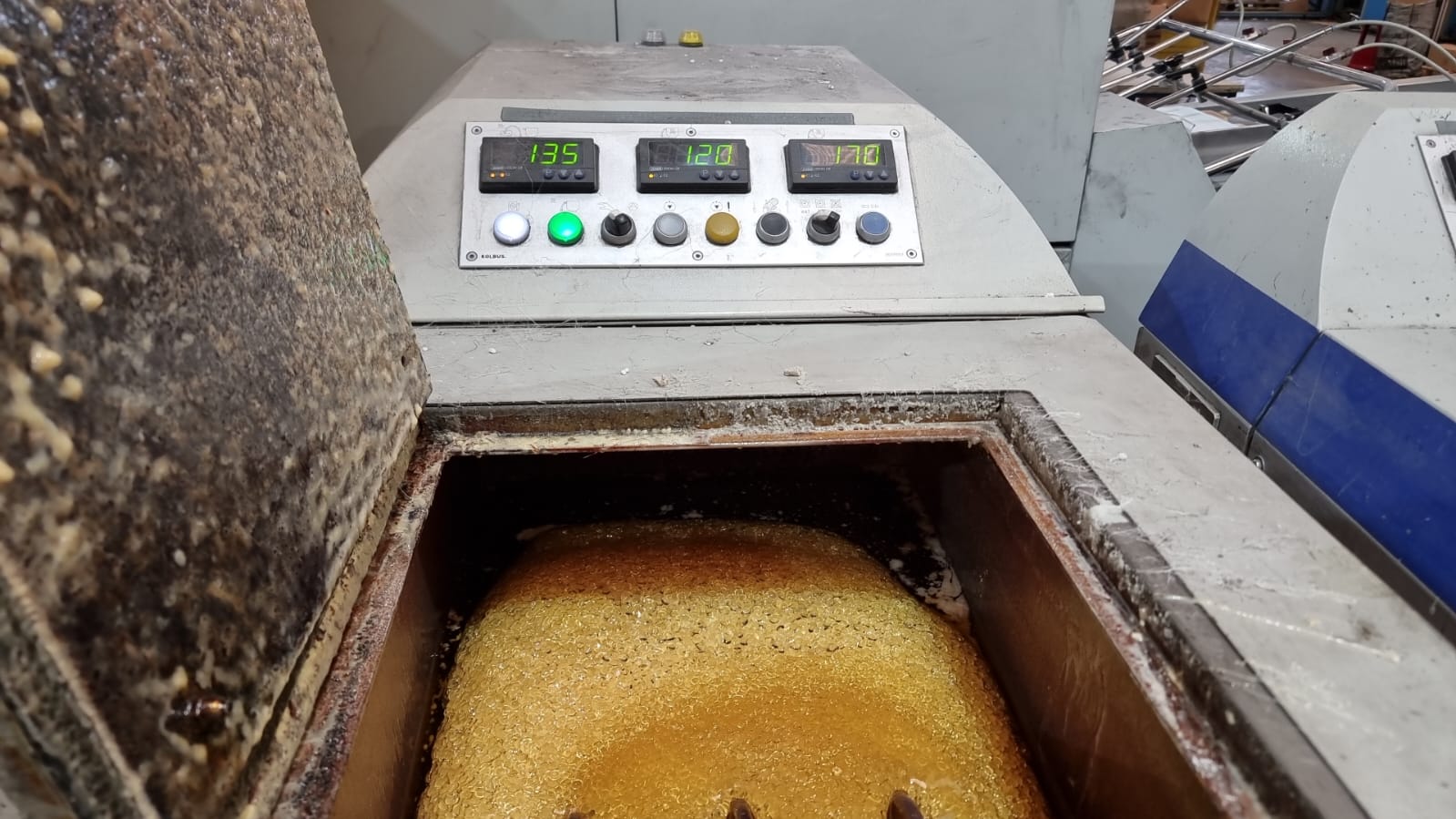
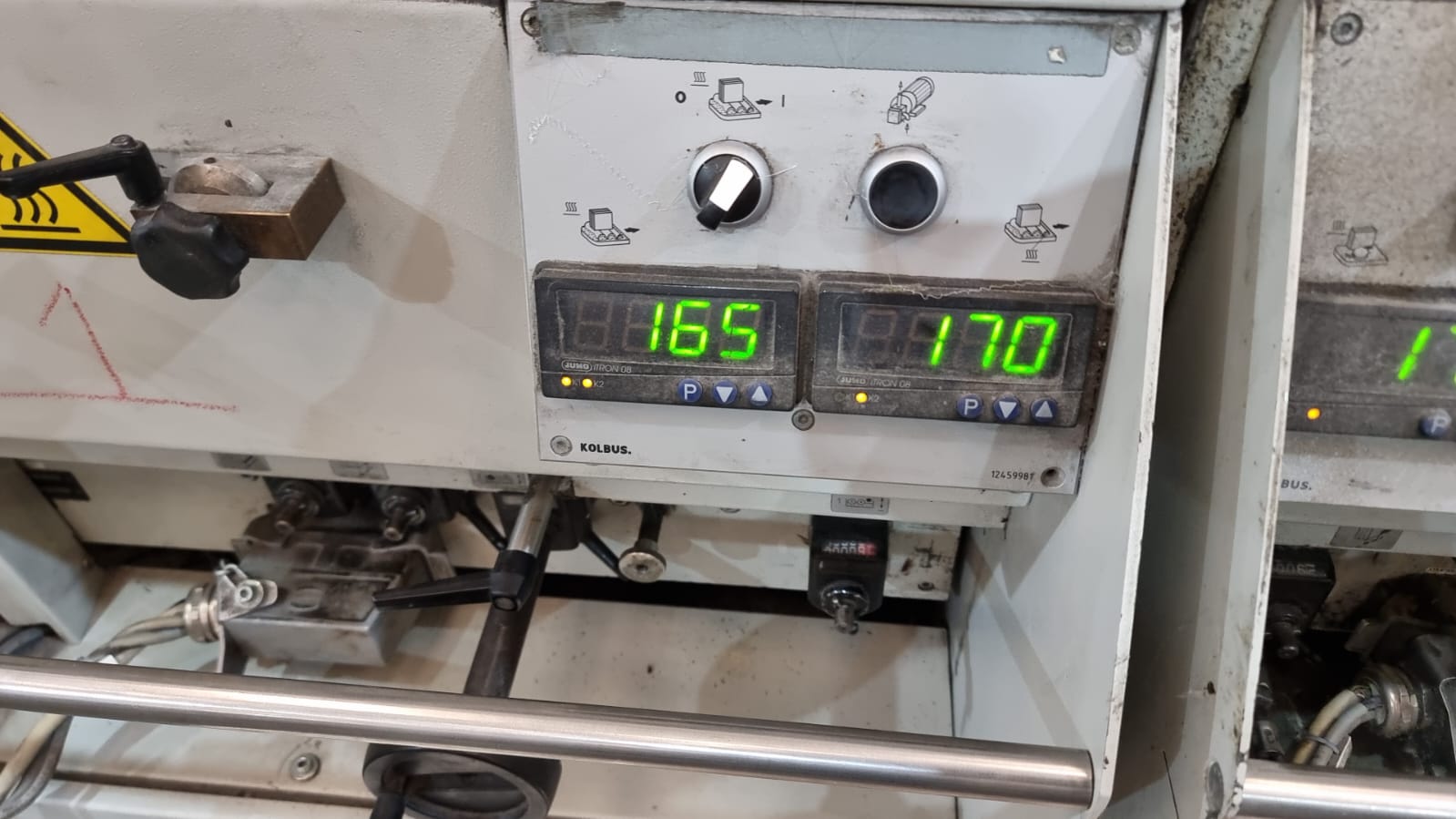
The adhesive stayed stable on the rollers, coated cleanly with no air bubbles (which matters more than it sounds, since bubbles in the spine glue are what weaken a bond), and produced a good winged shape on the finished books rather than a flat one, which is what you want to see. You can actually see the difference on the rollers themselves: a thin, even film rather than a thick, glossy coat. We did not weigh grams per book on this visit, so we will not pretend we did, but a cleaner coat at a lower temperature is exactly the kind of thing that is obvious the moment you are stood next to the machine.
The bit that actually matters: it beat the paper
We pulled the front, middle and back pages from books made with the old adhesive, the new adhesive at 195°C, and the new adhesive at 170°C, and measured how much force it took to tear them out. The incumbent scored 9.55 newtons average, but only after 24 hours to cure. FastLock 30079 at 195°C scored 8.77, with just 3 hours to cure. At 170°C, run less than an hour before testing, it still scored 8.82.
| Sample | Front page | Middle page | Back page | Average | Cure time |
|---|---|---|---|---|---|
| Incumbent adhesive | 9.87 | 9.63 | 9.16 | 9.55 | 24 hours |
| FastLock 30079 at 195°C | 8.89 | 8.69 | 8.75 | 8.77 | 3 hours |
| FastLock 30079 at 170°C | 8.57 | 8.80 | 9.10 | 8.82 | Under 1 hour |
Page pull strength in newtons, Mecmesin BFG 500N force gauge, certified page pull tests carried out on the bindery's own finishing line, 14 August 2026.
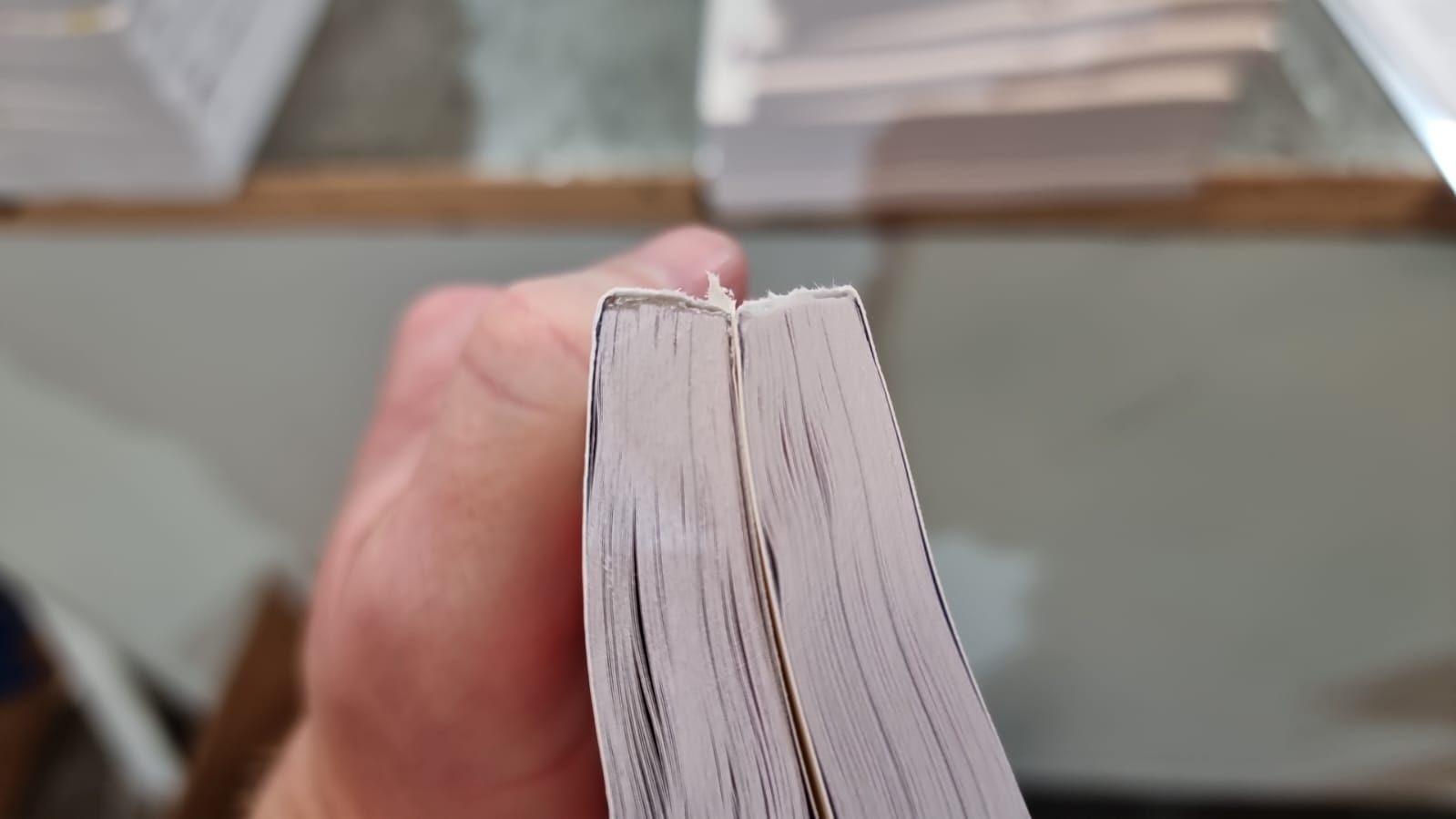
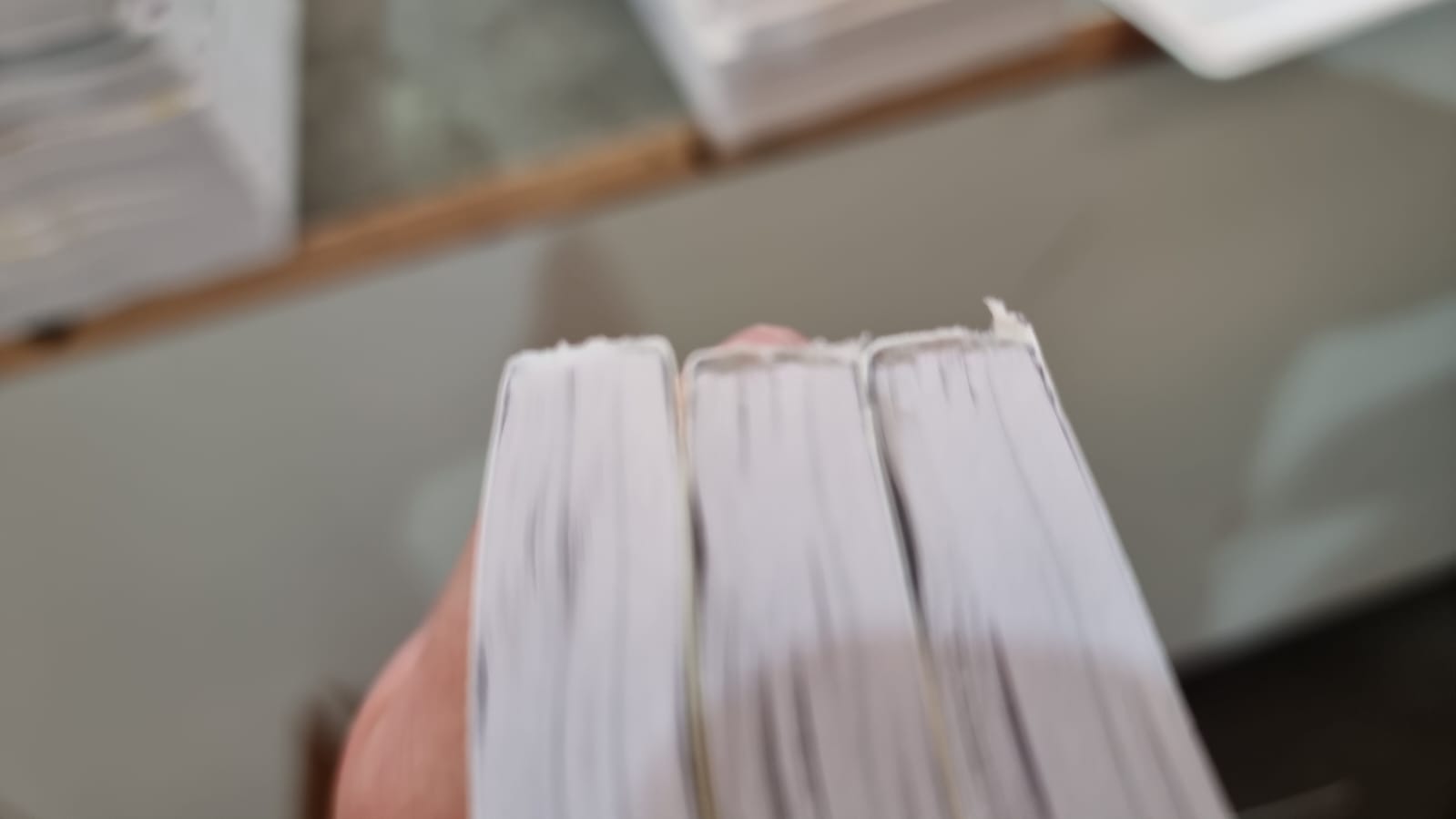
Every single sample failed on the paper, not the glue. That is the number that matters here, not the newtons themselves but the fact that the adhesive was never the weak point, even freshly applied and running dramatically cooler than the incumbent had ever run.
What happens next
The trial was left running, and the bindery is now putting FastLock 30079 through multiple jobs over the coming week to confirm it before moving over to it permanently. That is the honest state of play: strong early results, real production data, one more validation step before it is the everyday spine adhesive on that line.
If you run a perfect binder, this is for you
Book and magazine binding does not come up as often as case erecting or cartoning in these reports, but the same rule applies, maybe more so. Spine adhesive is doing a structural job under real stress every time someone opens a book, and a lot of lines are still running the temperatures they were set to years ago because nobody has had a reason to question them.
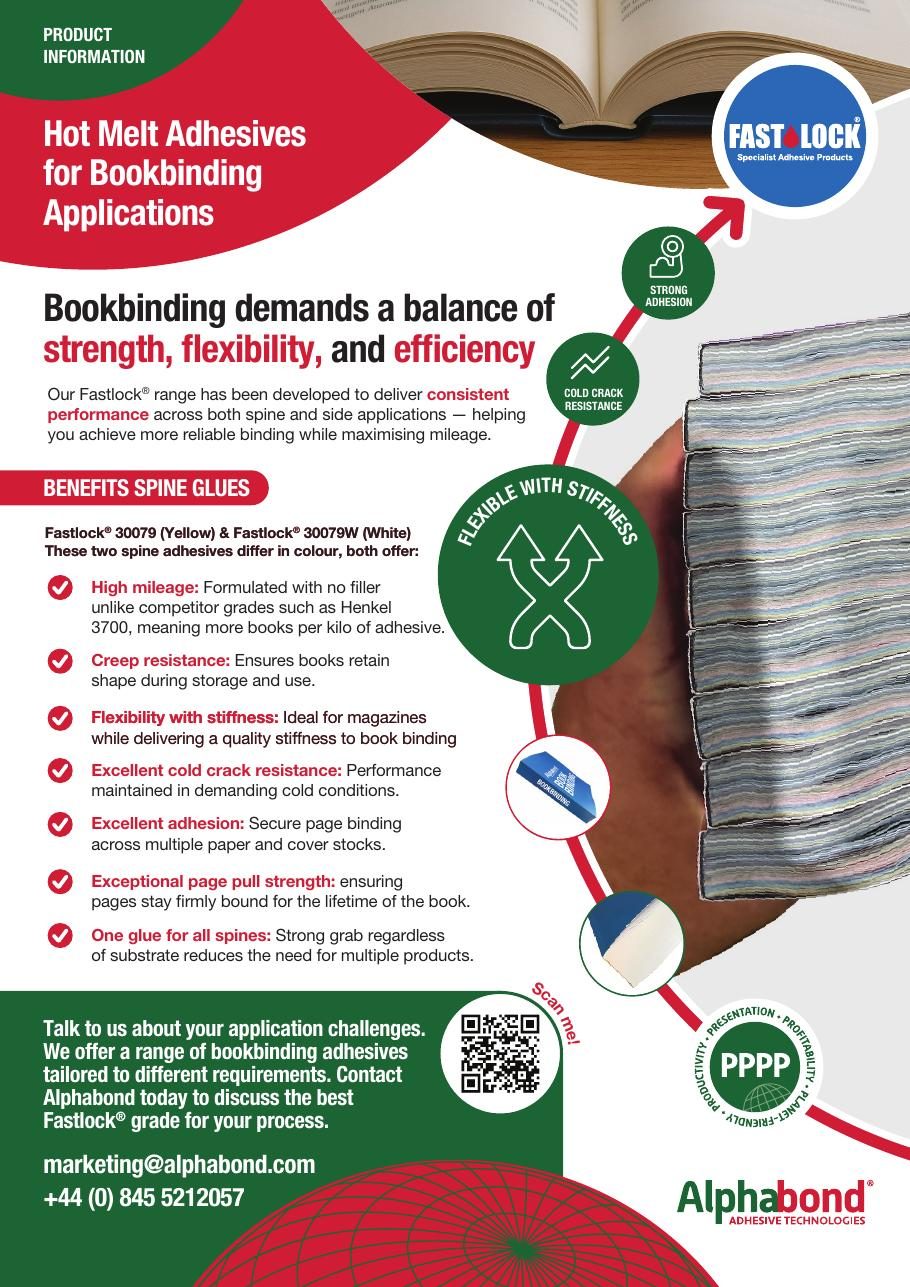
If your perfect binder, saddle stitcher or case binding line has a tank that has "always" run at a certain temperature, it is worth asking why. Cooler tanks use less energy, char less, and in this case still out-performed the paper they were supposed to be holding together. FastLock 30079 is one of a small range of grades we make specifically for bookbinding, spine and side gluing both.
Challenge the "has to" and "always has" on your spine glue line
This trial proved the same spine adhesive could run 30–45°C cooler, still hit 8.82N page pull strength under an hour, and fail the paper before the glue. That means lower energy bills, less tank char, and bonds that outlast the book. If your tank has not been questioned in years, we can run the same test on your line and show you the real numbers.
Book a free spine adhesive trialOur bookbinding adhesives guide
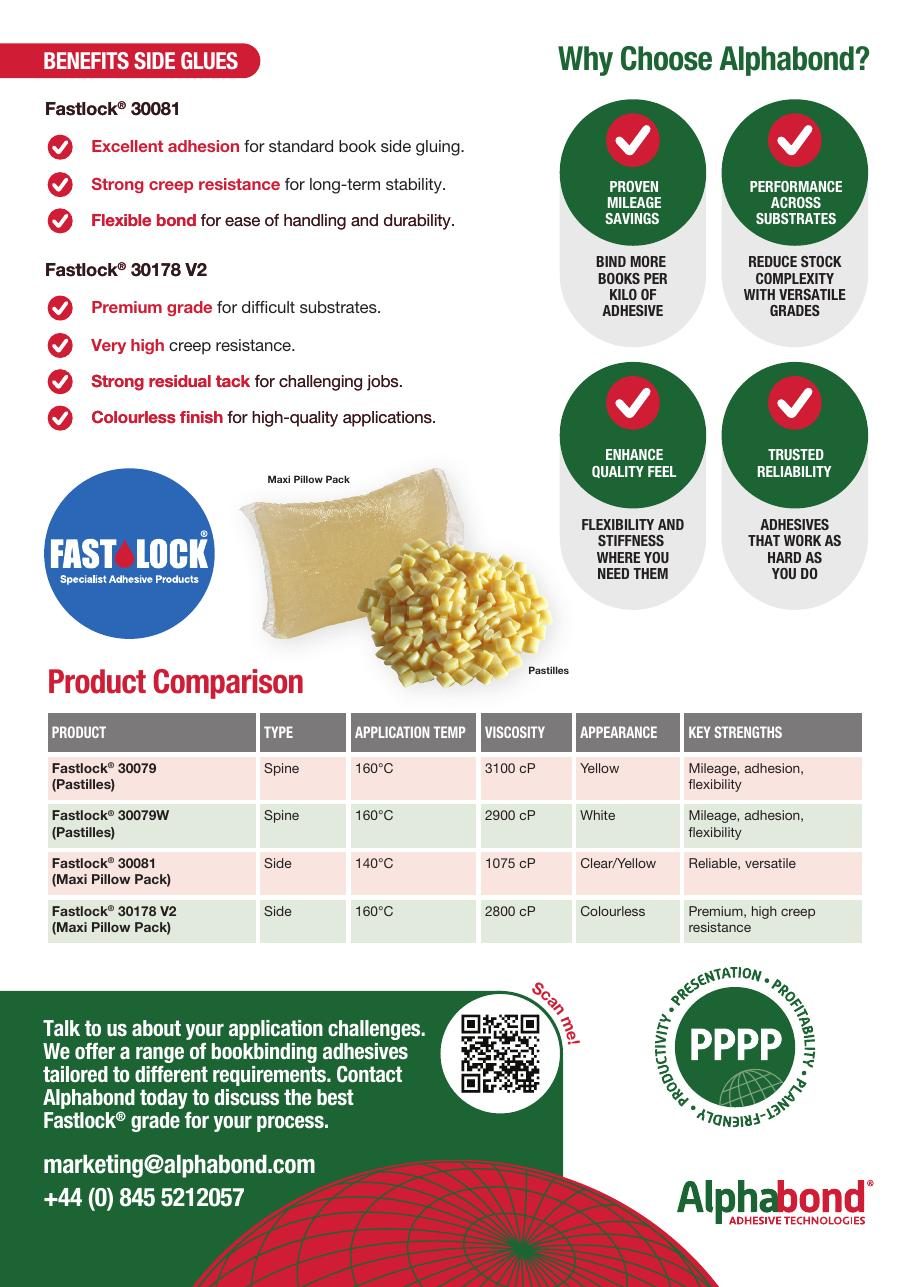
The full spine and side gluing range, with grades, temperatures and where each one fits.
Small print: Figures from a genuine Alphabond trial, weighed and measured on the customer's own line. Customer details withheld at our discretion.
Want the same numbers for your line?
One day on your line, with your product and your team watching. We bring the kit, do the maths and leave you the report either way.
Book a free trial on your line