
Alphabond Field Report
Pop-Opens: The Packaging Fault You Don't See Until It's on a Lorry
A pop-open is the packaging failure with the worst timing. The case looks perfectly sealed as it leaves the line. Then somewhere between the palletiser, the cold store and the customer's goods-in, a flap lets go and the case springs open. Product falls out, the pallet gets rejected, and someone spends their afternoon shrink wrapping the evidence and filling in a complaint form.
By the time you see a pop-open, it's already cost you money.
- Field Report
- Dairy
- Wraparound Case Packing
- Somic
- Nordson ProBlue
- Pop-Opens
- Cold Chain
- Fastlock
Why cases pop open
Hot melt bonds fail in transit for a handful of reasons and most of them trace back to the adhesive, not the machine. The glue may be applied too hot and soaking into the board instead of sitting on it. It may be cooling and losing tack before the flaps are compressed. It may simply not have the thermal stability to cope with a cold store after a warm packing hall. Chilled and dairy environments are especially brutal, because the adhesive is asked to grab quickly in a cold, sometimes damp factory and then hold in temperatures near freezing.
The frustrating part is that the line usually gets the blame, and the fix that gets tried first is more glue. More glue costs more, slows setting, and often makes pop-opens worse.
What one dairy did instead
In June we spent a morning with a major dairy producer packing cases of cheese on a Somic wraparound case sealer fed by a Nordson ProBlue Flex 4 tank. The line had been struggling with pop-opens, and their incumbent adhesive was running at around 133°C in the tank.
We drained the system, added a blue trace so we could see the changeover happen, and switched the line to Fastlock 120, a grade designed to run cool with high thermal stability and aggressive tack. Temperatures came down to 115°C in the tank and 120°C in the hoses and nozzles.
Cases came off the line with excellent fibre tear. That's the test that matters: pull the flap and the cardboard tears before the bond does. A bond like that doesn't pop open in a cold store, because the weakest point is now the board itself.
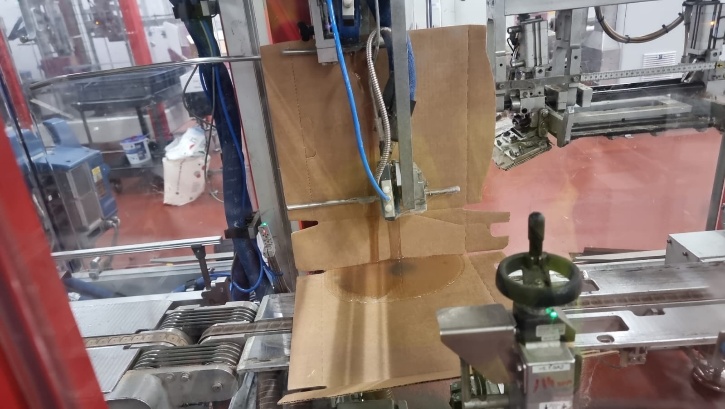
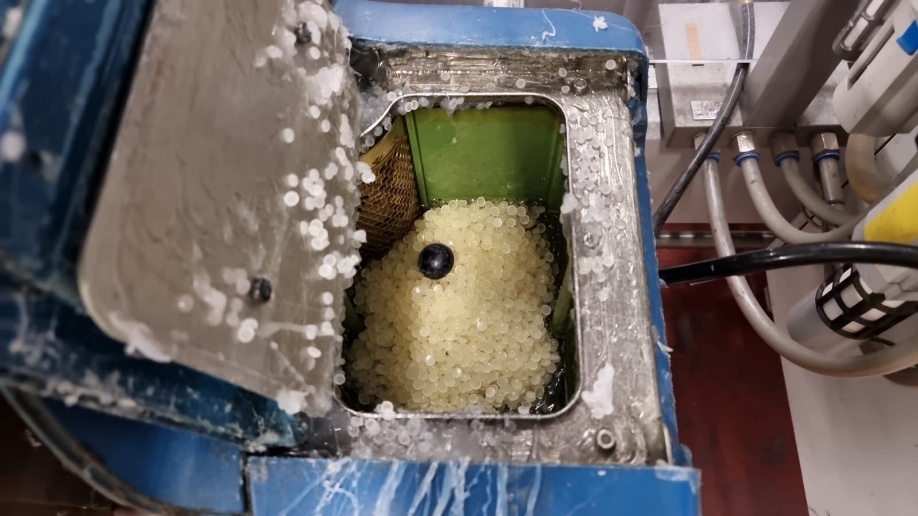
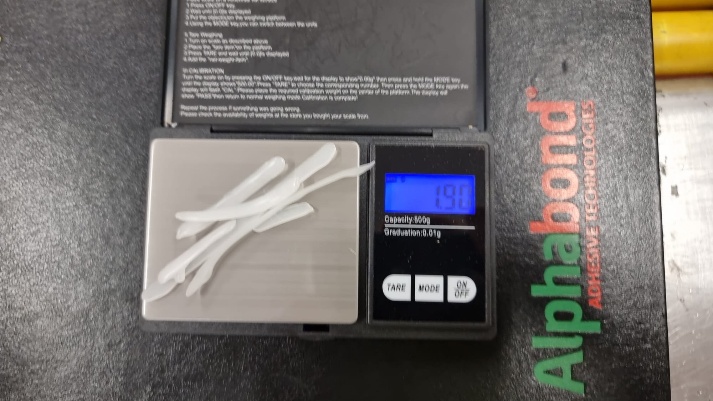
We also weighed the adhesive on the case before and after. The new grade applied 1.79 grams against the incumbent's 1.90 grams, a 6% consumption saving before any optimisation. Not a headline number, but it means the fix for pop-opens came with a small saving attached rather than a cost.
One morning, on their line, with their product
This wasn't a lab demonstration. It was three hours on a live line between shift changes, watched by the customer's own production manager and engineer. The next step is a full day trial to optimise settings and validate an even lower temperature grade.
That's how we think adhesive decisions should be made. Test it on your line, measure it, and let the results argue for themselves.
Are your cases arriving the way they left?
If you're seeing pop-opens, rejected pallets or "mystery" transit damage, the adhesive is the first thing worth checking and the cheapest thing to fix. We'll come and run the same comparison on your line, free.
Small print: Figures from a genuine Alphabond trial carried out in June 2026. Customer details withheld at our discretion.
Want the same numbers for your line?
One day on your line, with your product and your team watching. We bring the kit, do the maths and leave you the report either way.
Book a free trial on your line