
Alphabond Field Report
Nobody Had Cleared That Drain Valve In Years
Glossy board is about the hardest surface you can ask a hot melt adhesive to grip. It is coated to catch the eye on a shelf, which is exactly what makes it slippery to a glue gun. Most packers running premium retail cases just accept a slightly weaker bond as the cost of doing business.
A drinks packer running glass bottles through their case erecting and sealing lines had lived with that trade-off for years. The bond held, so nobody asked whether it could hold better, or on less adhesive.
- Field Report
- Beverage
- Case Erection
- Case & Lid Sealing
- Char & Blocked Nozzles
- Consumption Saving
- Perfecta
The clue was in the drain valve
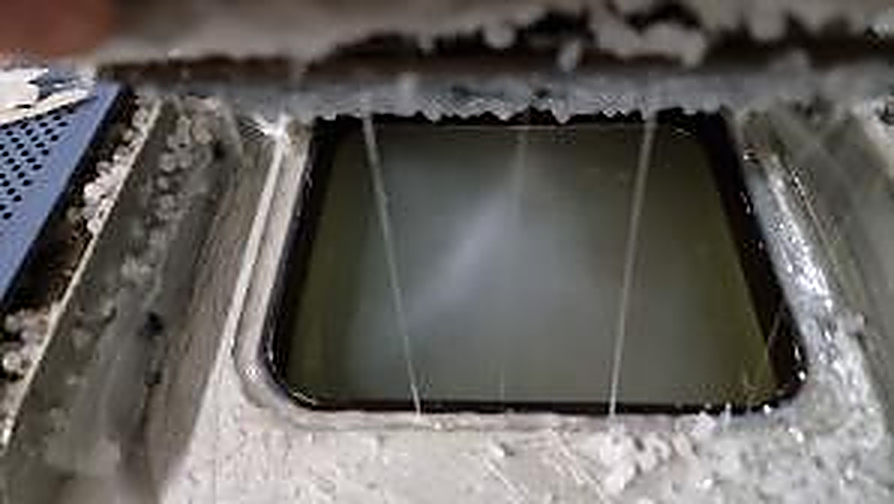
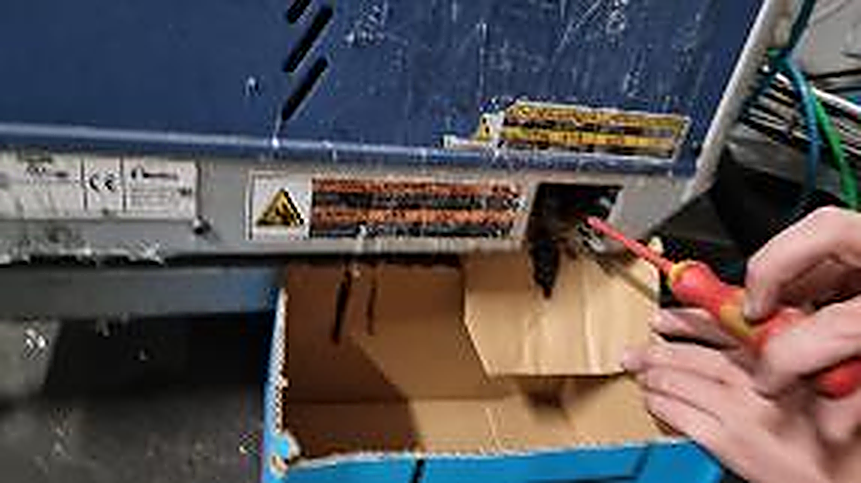
When our engineer opened up the case erector's tank to drain it down for the trial, the drain valve wouldn't clear. A large plug of char, the dark, treacly build-up that forms when adhesive sits at high heat for too long, had partly blocked it.
That's rarely just a drain problem. It's usually a sign the tank has been running hotter than the job actually needs, cooking a skin onto the tank walls and eventually into the valve itself. The incumbent adhesive was running at 160°C in the tank on the erector and 165°C on the sealer, hose and gun temperatures a touch higher again on both.
The swap
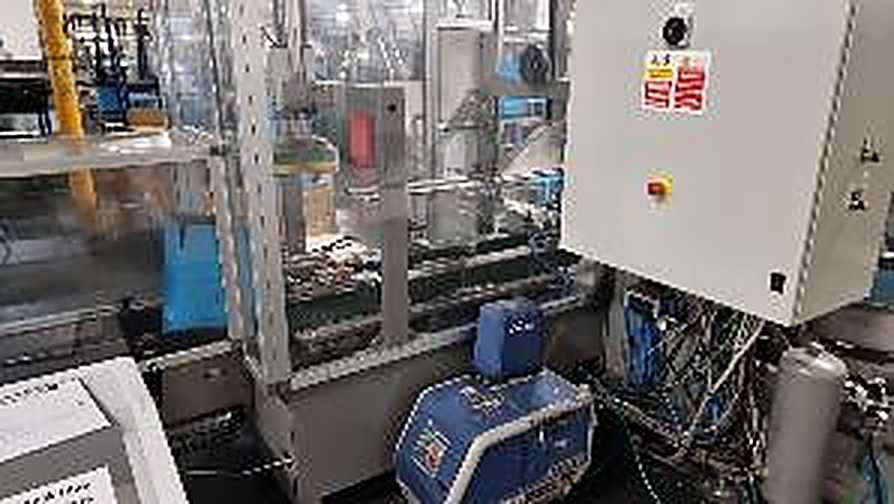
We refilled with Perfecta 3 Plus, a grade built to run cooler, and dropped temperatures across both machines: the case erector came down from 160°C/160°C/165°C to 150°C/155°C/160°C, and the case sealer from 165°C/165°C/170°C to 150°C/155°C/160°C. Fibre tear stayed strong on both lines, on the glossiest, hardest to bond board on site.
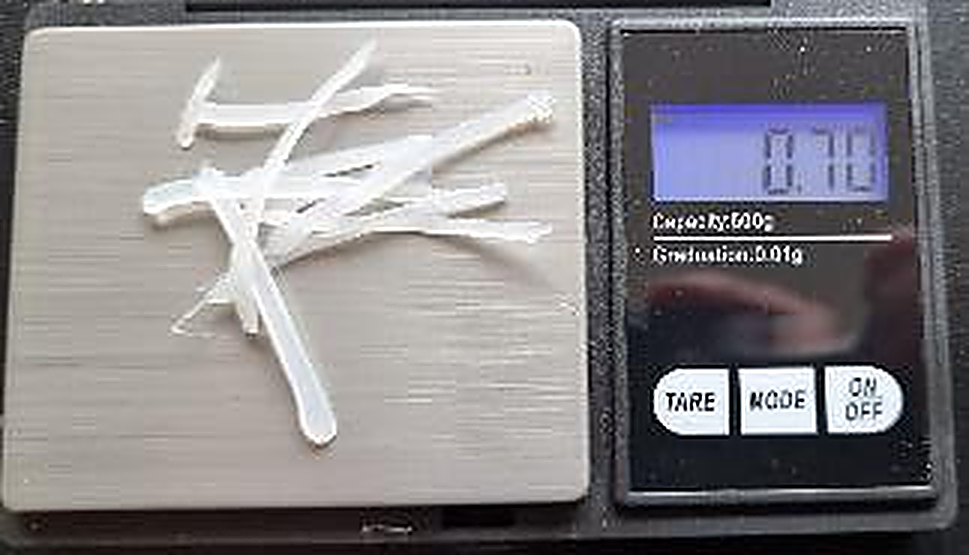
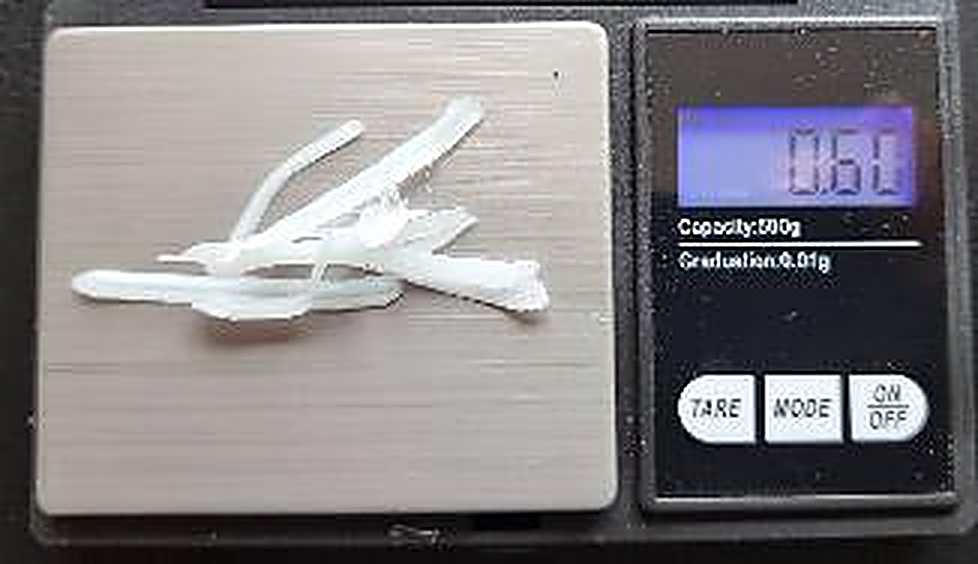
Then we weighed it. A taped-up case through the erector gave 0.70 grams of adhesive with the incumbent grade, and 0.60 grams with Perfecta 3 Plus. That's a 14% reduction in the amount of glue going onto every single case.
Two pallets were run off for transit testing before the switch is confirmed. That result was still pending at the time of writing, and it's the honest next step before this becomes a permanent change.
Why char and consumption usually travel together
A blocked drain valve looks like a plumbing nuisance. It's actually a symptom of a tank running hotter than it needs to, and a hot tank means more energy used, more char building up over time, and more adhesive going down than the bond actually requires. Fixing the temperature tends to fix more than one complaint at once, even the ones nobody had got round to reporting.
Ever had to fight a valve that always sticks?
If something on your line has quietly become just how it is, it's worth asking why. A stuck drain, a stubborn nozzle or a tank that never seems to run cool are usually connected to the same root cause, and it's often fixable in a morning.
Small print: Figures from a genuine Alphabond trial carried out in July 2026. Customer details withheld at our discretion.
Want the same numbers for your line?
One day on your line, with your product and your team watching. We bring the kit, do the maths and leave you the report either way.
Book a free trial on your line