
Alphabond Field Report
Charring In The Tank Is Not A Maintenance Problem
A dark, treacly build-up in a hot melt tank rarely announces itself. Nobody schedules time to go looking for it. It just sits there quietly, and the first anyone hears about it is a nozzle that keeps blocking for no obvious reason.
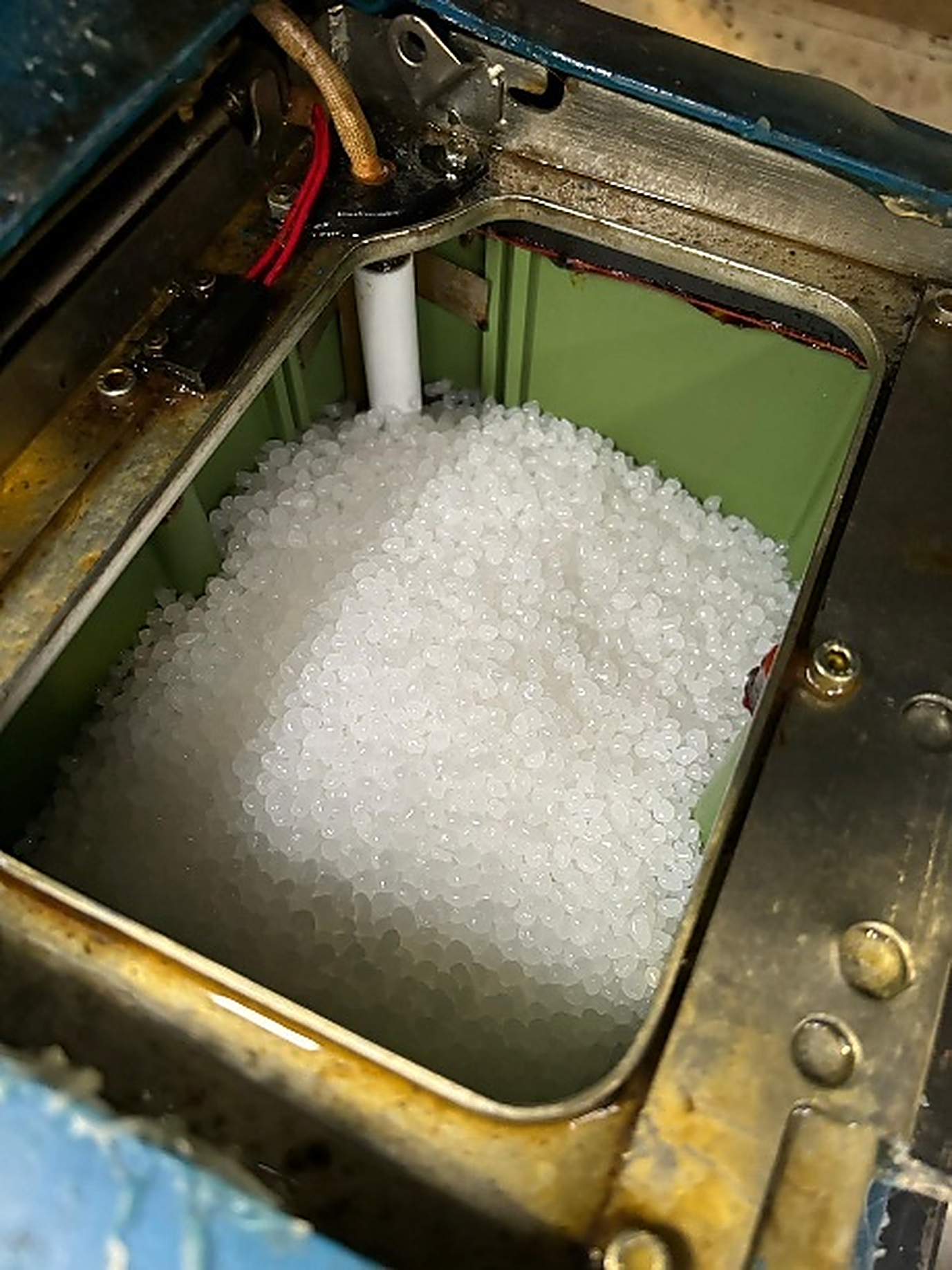
That was the starting point on a condiments packing line running sauce cartons through a Nordson ProBlue tank. The incumbent adhesive had been running at 120°C in the tank, 125°C in the hoses and 130°C at the nozzles for as long as anyone could remember, and char build-up was showing in the tank along with the blocked nozzles that come with it.
- Field Report
- Food Manufacturing
- Condiments
- Case & Lid Sealing
- Nordson ProBlue
- Char & Blocked Nozzles
- Consumption Saving
Same temperatures, cleaner tank
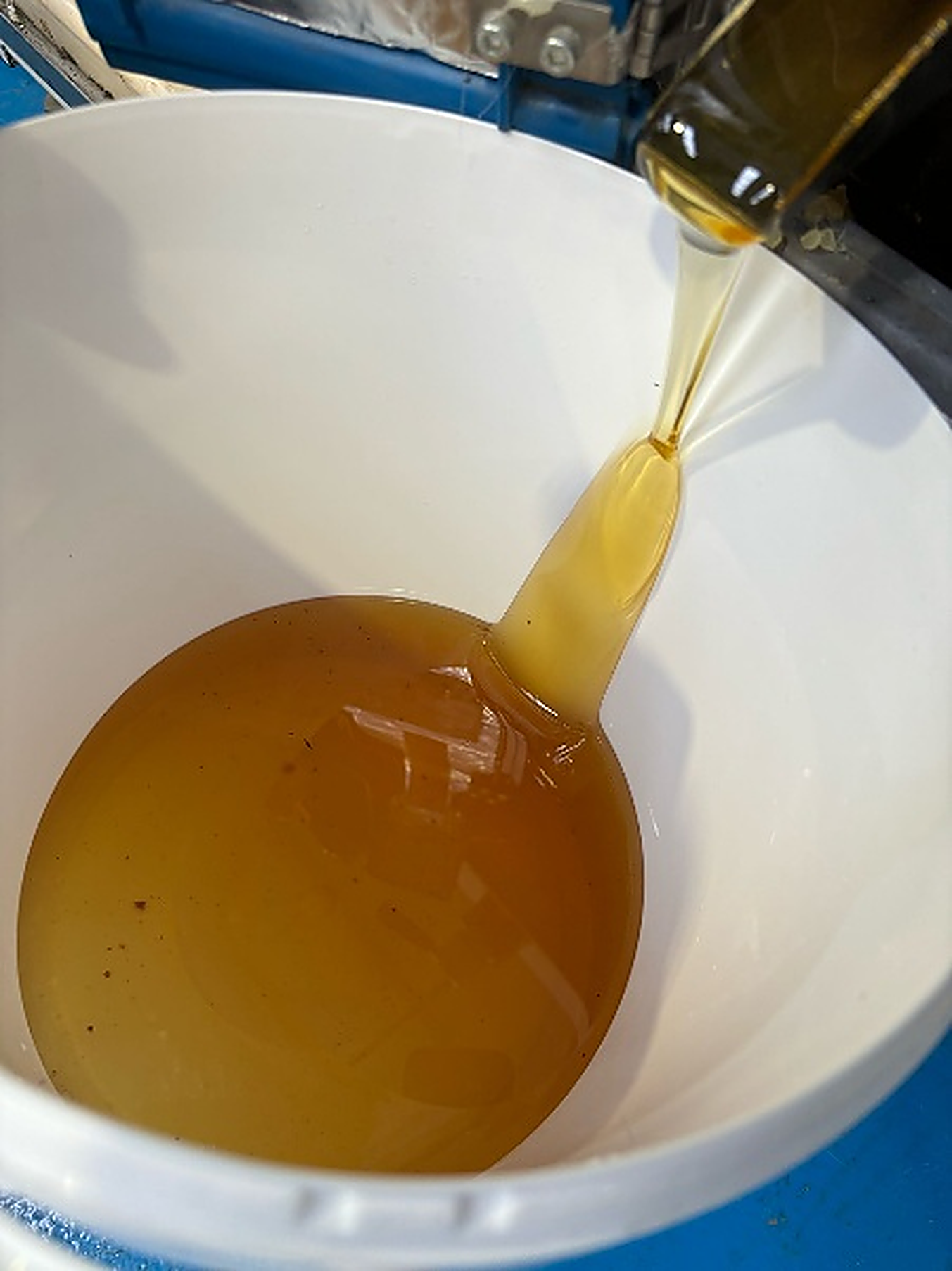
Rather than change the running conditions first, we kept everything as it was, same pressures, same temperatures, and just swapped the adhesive for a clean running, low temperature grade. The difference was visible before a single case went through the line. Where the incumbent adhesive had left a stained, treacly residue, the new grade filled the tank running completely clear.
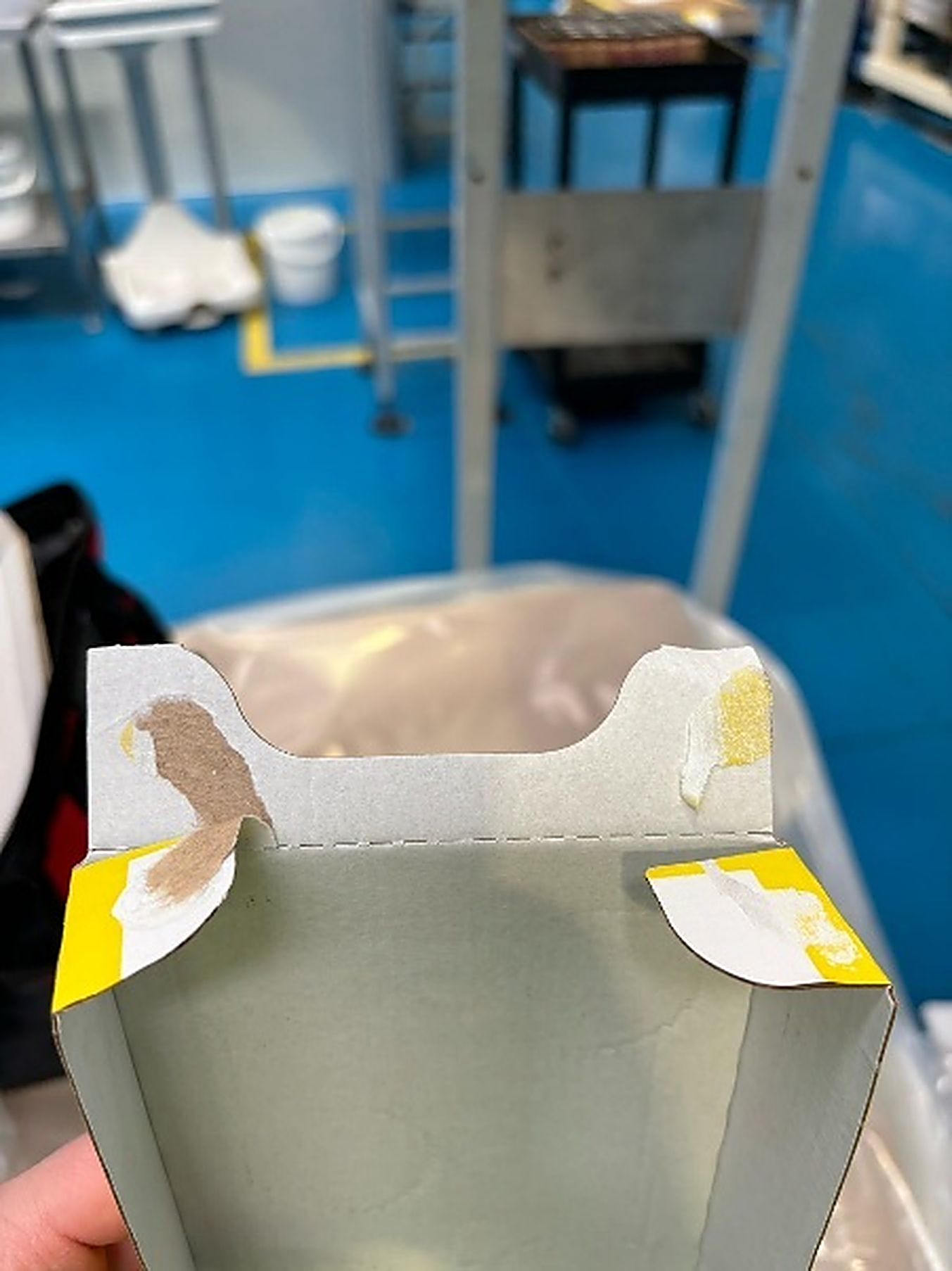
Fibre tear on the cartons stayed strong. So we weighed it.
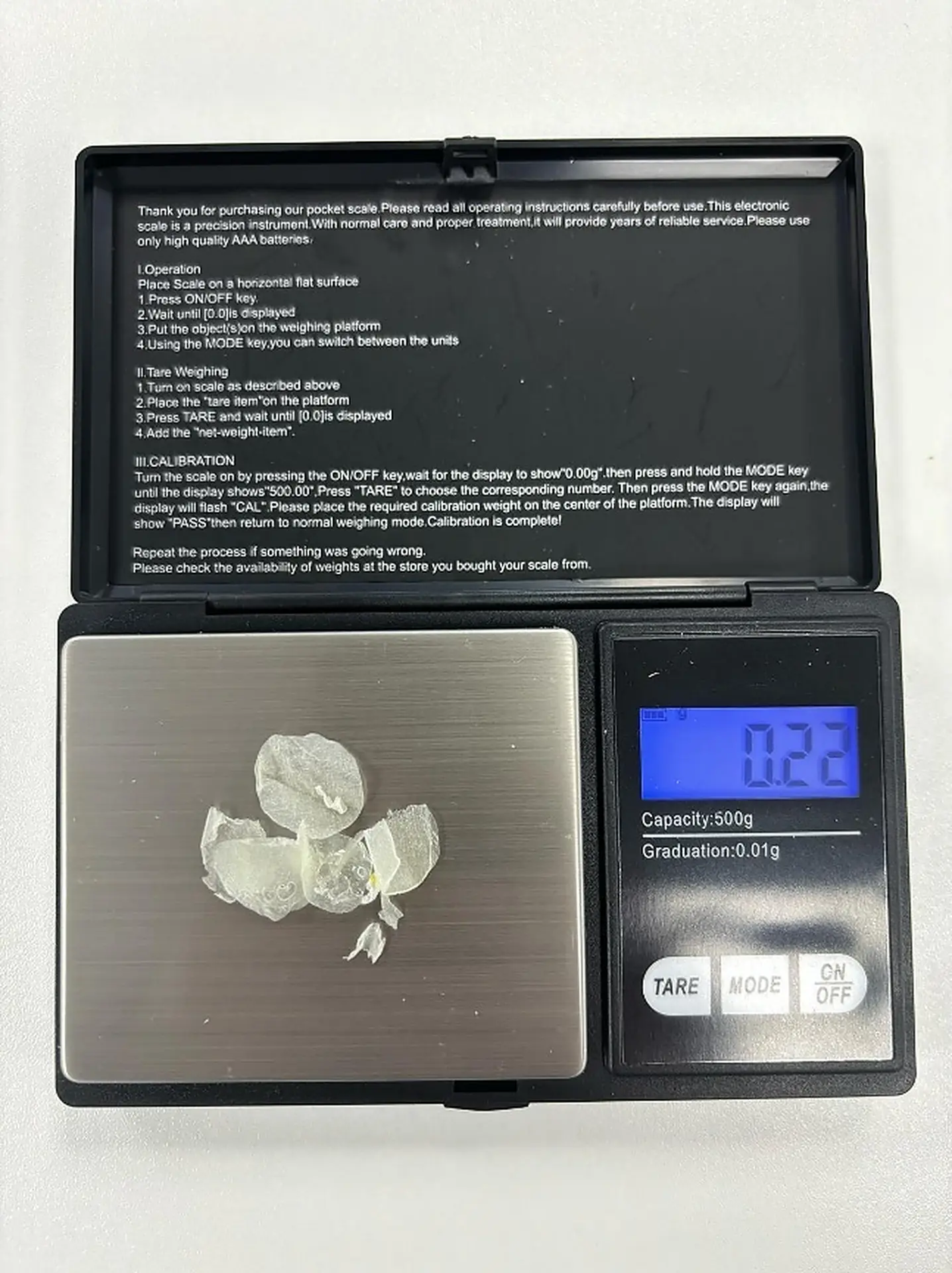
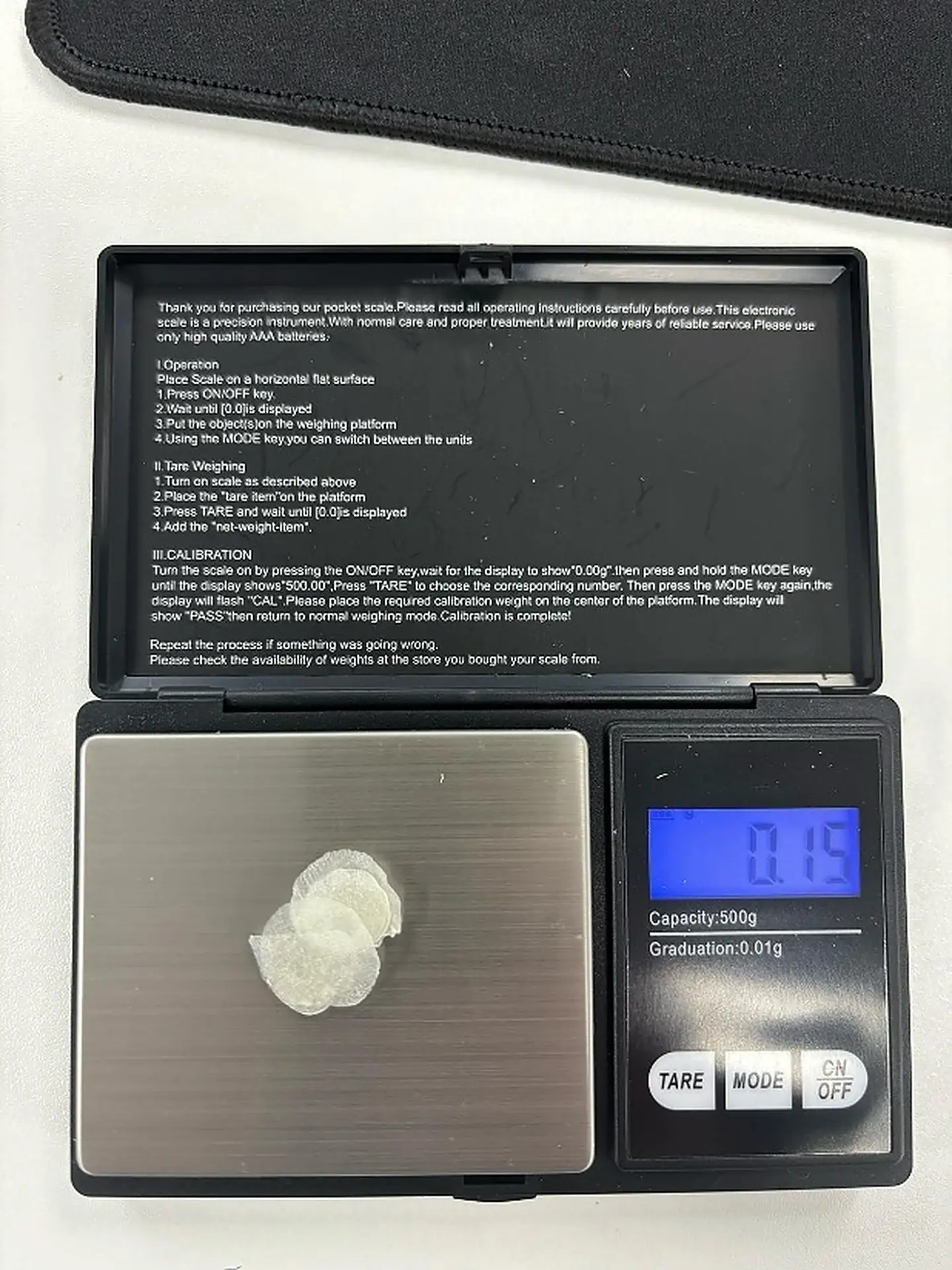
0.22 grams became 0.15 grams
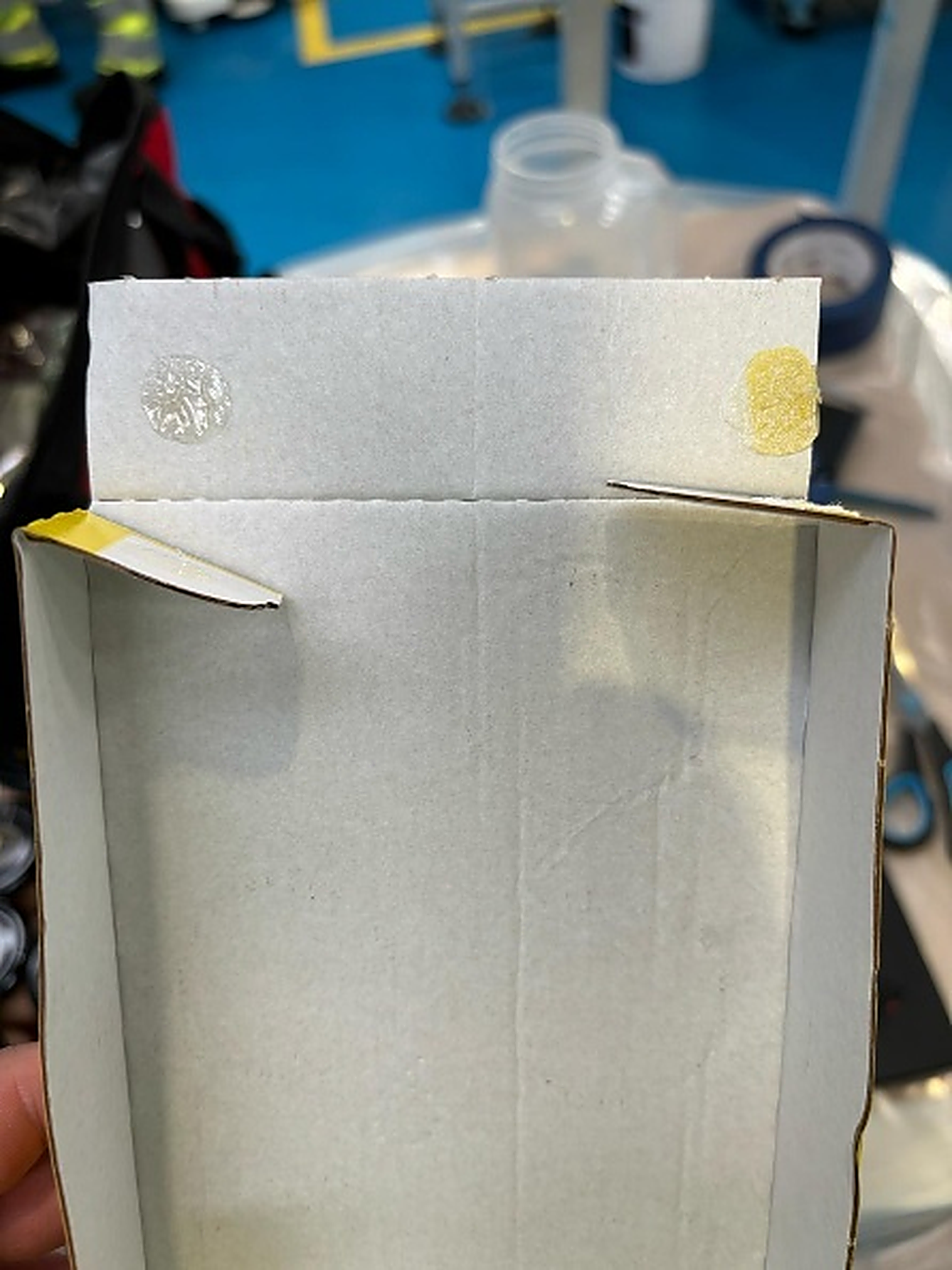
A taped-up carton run with the incumbent adhesive gave a coat weight of 0.22 grams. The same carton, same machine, same settings, run with the new grade came out at 0.15 grams. That's a saving of 31.8%, on scales, not in a brochure.
Worth flagging honestly: that figure was taken with the new adhesive still running at the incumbent's higher temperatures, hotter than it actually needs. Our engineer's own estimate is that dialling the temperature down to suit the new grade properly would push the saving higher still, not lower.
What happens next
One visit and one taped-up carton is a good start, not a final answer. The next step agreed on site was to run a full pallet through on the new grade and put it through transport testing, to confirm the coat weight and bond hold up outside a controlled trial. That work was still pending at the time of writing, and it's the honest caveat that belongs on any result this early.
If your tank hasn't been drained in a while
Charring isn't a fact of life for a hot melt tank, it's usually a sign the temperature has crept higher than the job needs. If your nozzles block more often than they used to, or nobody can remember the last time the tank was properly cleaned out, that's worth a look before it costs you any more glue than it already has.
Small print: Figures from a genuine Alphabond trial. Customer details withheld at our discretion.
Want the same numbers for your line?
One day on your line, with your product and your team watching. We bring the kit, do the maths and leave you the report either way.
Book a free trial on your line