
Alphabond Field Report
Char in the Tank Is Not Normal
Open most hot melt tanks that have been running the same adhesive for a few years and you'll find the same thing: a dark, treacly crust around the edges that nobody thinks to mention any more. It's just what the tank looks like. Except it isn't supposed to look like that, and it's usually telling you something.
That's roughly what we found on a recent visit to a fresh produce packer running a Teco tray former, and it turned into a trial we'd recommend anyone with an older hot melt system takes a look at.
- Field Report
- Food Manufacturing
- Tray Erection
- Teco
- Nordson Mesa
- Char & Blocked Nozzles
- Energy Saving
- UltimateCool
The tank gives it away
The line packs produce into corrugate trays on a Teco Former, fed by a Nordson Mesa tank. The incumbent adhesive had been running at 175°C in the tank, 170°C in the hoses and 175°C at the guns, temperatures that have crept up over time to keep an ageing formulation flowing and bonding reliably.
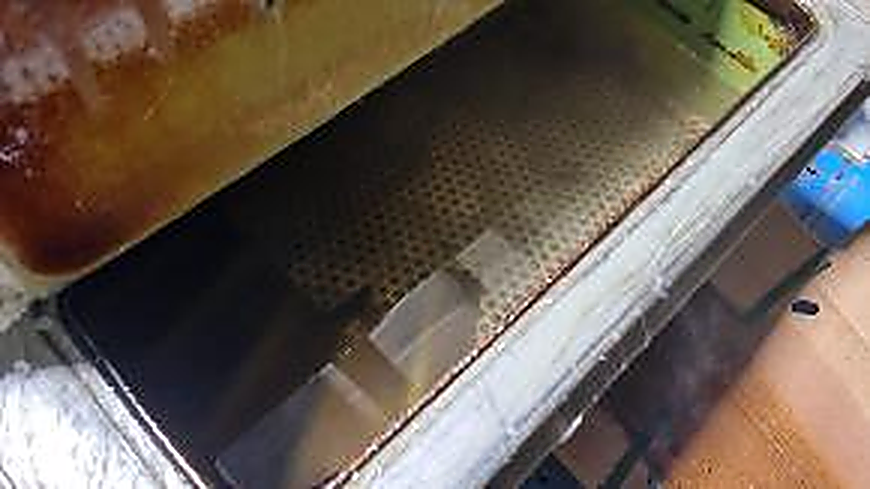
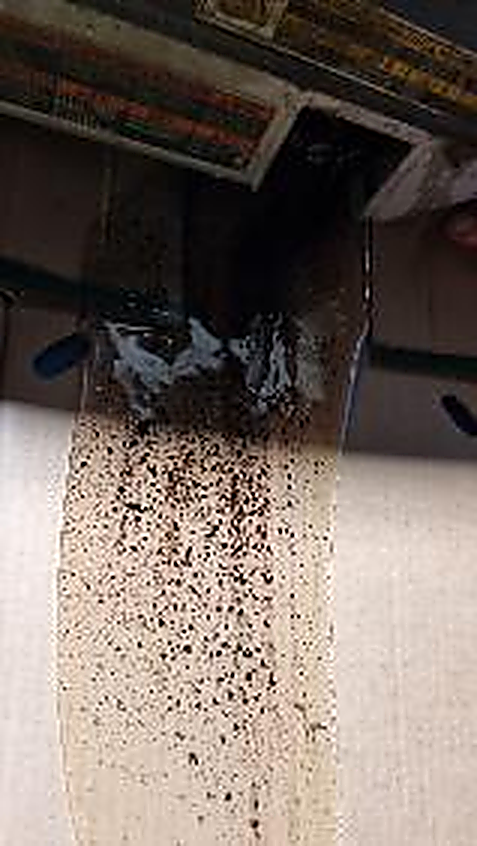
When we drained the tank down before the trial, the evidence was sitting right there: dark, charred adhesive residue and visible burnt flecks in what was left. That's degraded adhesive, cooked by running hotter than it needs to for longer than it should. It doesn't ruin every bond straight away, which is exactly why it gets ignored. It just quietly costs more in energy, clogs up nozzles faster than it should, and eventually turns into the kind of blockage that stops a line.
Turning the heat down
We loaded in UltimateCool 98 Plus, a low temperature grade, and purged the system through with a colour tracer until we were confident only the new adhesive remained. Then we brought the temperatures right down: 105°C in the tank, 115°C in the hoses and 125°C at the guns. That's up to 70°C cooler than the incumbent was running, across the board.
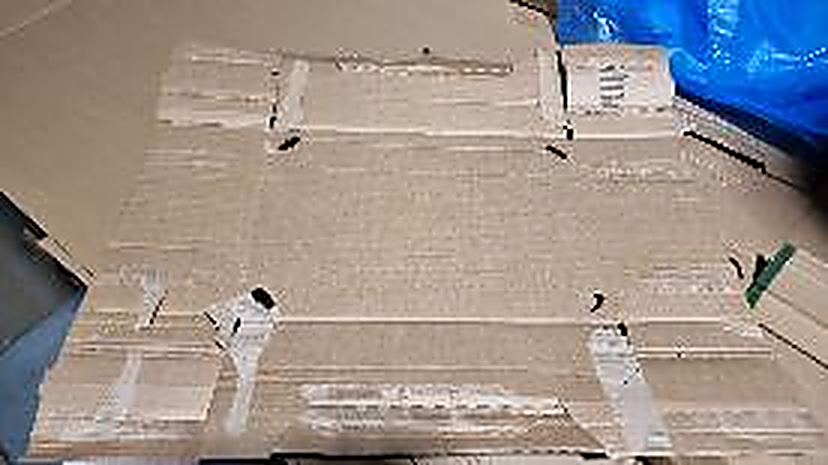
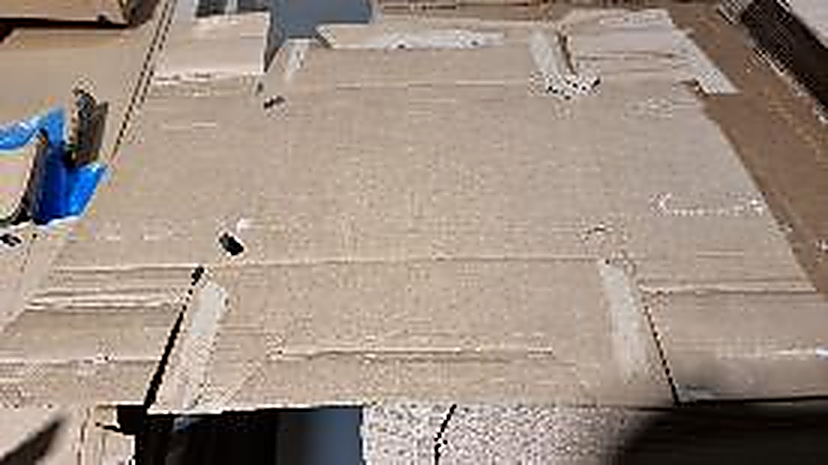
Trays run at those lower temperatures still gave excellent fibre tear, meaning the board itself tore before the bond let go. The one exception was the same side fold-over flaps that had a pre-existing set-up issue unrelated to the adhesive, which the incumbent grade also struggled with. Everywhere else, a much cooler tank bonded just as well as the hot one, without the char.
Why the temperature is the real story
It's tempting to focus on fibre tear alone, but the bigger number here is 70°C. Every degree a hot melt tank runs above what the adhesive actually needs is energy spent for no return, and it's also the single biggest driver of the char and degradation that leads to blocked nozzles down the line. Bring the running temperature down and you're not just saving on the energy bill, you're removing the root cause of the exact problem sitting in the bottom of that tank.
One visit, next steps agreed
This was a single trial visit, not an extended run, and we've said so plainly to the customer. The next step is a pallet of UltimateCool 98 Plus run over a longer period to confirm the fibre tear holds up across the whole tray range, including those fold-over flaps, before making the switch permanent.
Had a look in your tank lately?
If it's been years since anyone drained yours down and looked, it's worth five minutes. Char doesn't fix itself, and it's rarely as unavoidable as it looks once it's normal to you.
Small print: Figures from a genuine Alphabond trial carried out in June 2026. Customer details withheld at our discretion.
Want the same numbers for your line?
One day on your line, with your product and your team watching. We bring the kit, do the maths and leave you the report either way.
Book a free trial on your line