
Alphabond Field Report
170 Degrees Was The Real Problem
Overspray. Charring. Nozzles that block without warning. Three separate problems, three separate complaints, usually written up as three separate jobs for maintenance.
On a recent visit to a spice cartons line, all three turned out to be the same problem wearing different hats: the tank was running far hotter than it needed to.
- Field Report
- Food Manufacturing
- Ambient and Dry Goods
- Cartoning
- Rovema
- Nordson ProBlue
- Char & Blocked Nozzles
- Energy Saving
- Consumption Saving
- Perfecta
- UltimateCool
What we found in the tank
The line packs cartons on a Rovema machine, glued by a Nordson ProBlue 10 tank running five hoses and five nozzles. The incumbent adhesive was set at 150°C in the tank, 160°C in the hoses and 170°C at the nozzles, a genuinely high running temperature across the board.
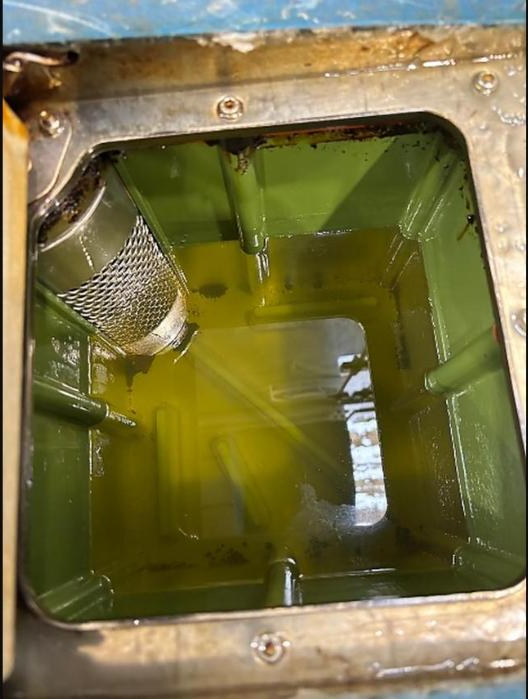
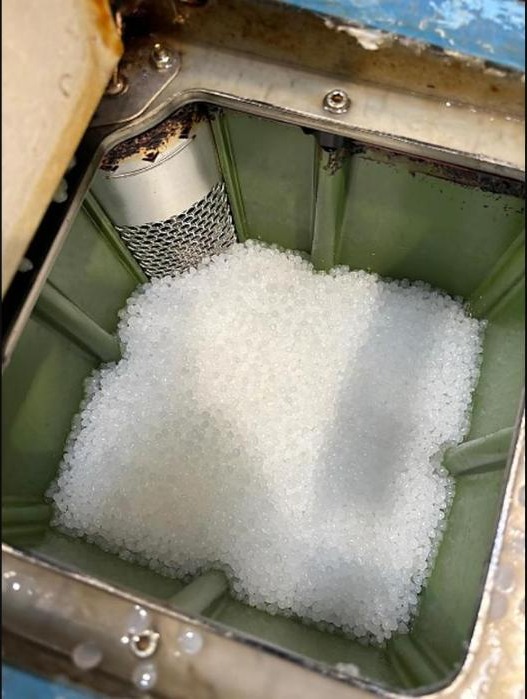
When we drained the tank, we found exactly what you'd expect after years at that heat: a dark, treacly residue baked onto the sides, the kind of build-up that eventually flakes off and blocks a nozzle at the worst possible moment.
The line's overspray problem, adhesive misting instead of landing where it should, traced back to the same cause. Running that hot at that pressure doesn't just risk char, it pushes adhesive out in ways it was never meant to travel.
Two grades, tested honestly
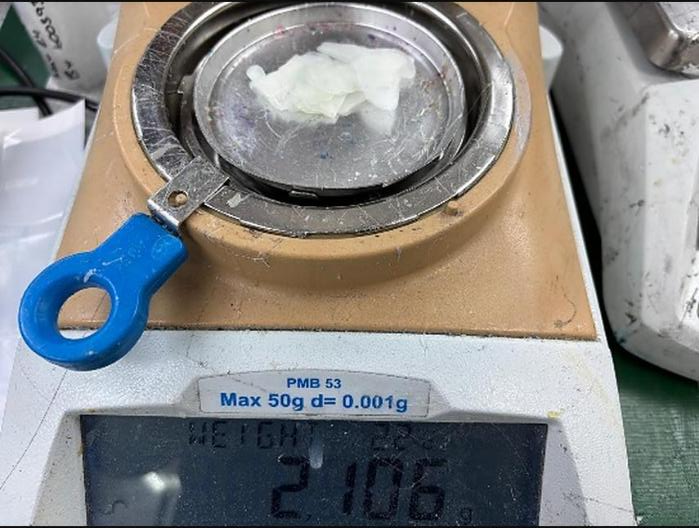
We took a coat weight reading with the incumbent adhesive still in the system: 2.106 grams per carton, at 5.5 bar pressure. That's a heavy application, and it gave good fibre tear, but it was clearly more glue than the job needed.
We then trialled two of our own low temperature grades, one after the other, so the comparison would be fair. Perfecta 3 ran at 140°C in the tank, 145°C in the hoses and 150°C at the nozzles, roughly 20 to 25 degrees cooler than the incumbent. Coat weight came down to 0.902 grams, a 57% reduction, with the pressure dropped to 4.5 to 5 bar and strong fibre tear maintained.
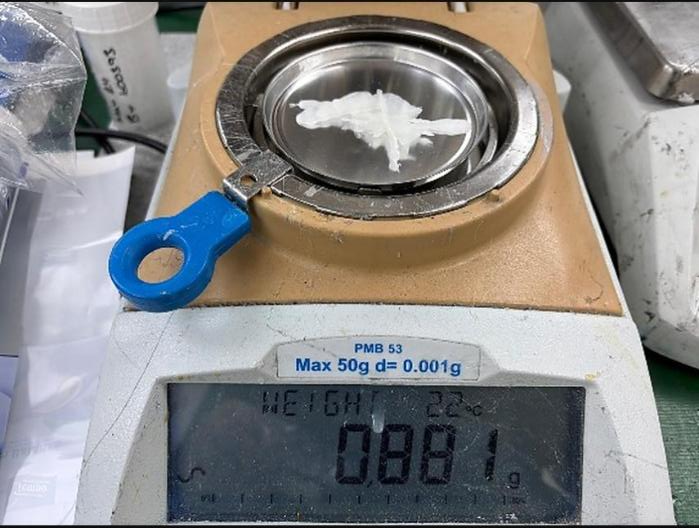
We then switched to UltimateCool 98, running at 120°C, 125°C and 130°C. Coat weight came out at 0.881 grams, a 58% saving, again with strong fibre tear. Production ended for the day before we could push UltimateCool 98 down towards its full potential, which the datasheet suggests could go as low as 98°C in the tank. That's an honest gap in this trial, not a hidden one: we simply ran out of time to prove the bottom of the range.
The number that ties it together
Based on the temperature reductions achieved, the trial pointed to energy savings of up to 55.6% on top of the consumption saving, alongside the practical wins that matter on a shop floor: no more overspray mess to clean up, and a system running cool enough that char has nothing left to feed on.
An honest recommendation, not a sales pitch
Both grades performed well. We'd recommend UltimateCool 98 given the extra headroom it showed even without reaching its lowest possible temperature, but the right next step is a full pallet run to confirm the numbers hold up over an extended trial, not a wholesale switch off one morning's results.
Overspray and blocked nozzles usually have the same root cause
If your line is fighting mess, char and blockages all at once, it's worth asking whether the tank is running hotter than the adhesive actually needs. Nine times out of ten, that's where it starts.
Small print: Figures from a genuine Alphabond trial. Customer details withheld at our discretion.
Want the same numbers for your line?
One day on your line, with your product and your team watching. We bring the kit, do the maths and leave you the report either way.
Book a free trial on your line